

“For a very long time, style has been positioned within the margins of artwork as ornamental, as representational and as supplementary,” Andrew Bolton, the Metropolitan Museum of Artwork’s Costume Institute curator in cost, stated Monday morning on the press preview for the museum’s spring exhibit. “‘Costume Artwork’ rejects that place. It affirms style as a craft in its personal proper.”
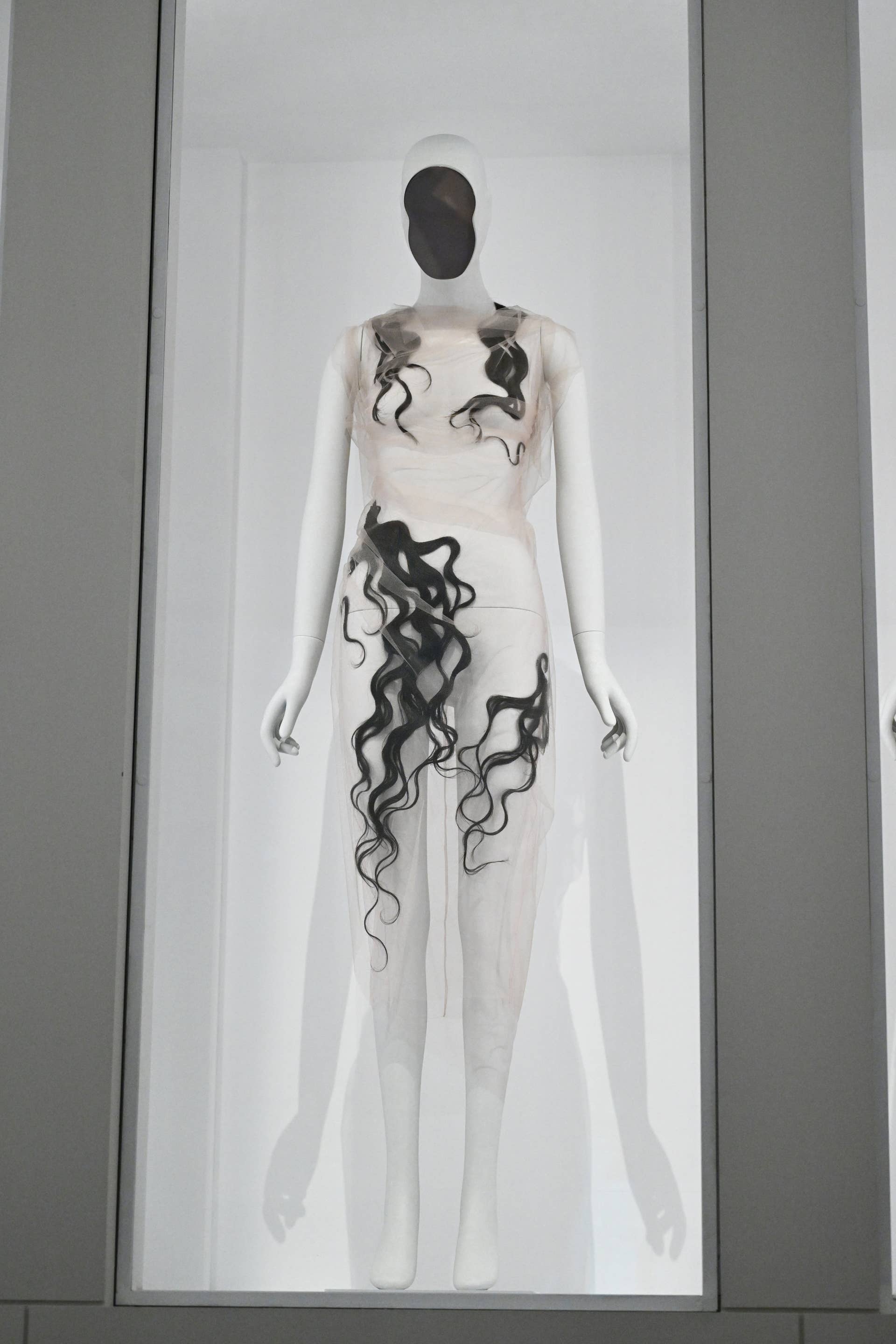
The concept style is artwork (which occurs to be the gown code for Monday night time’s Met Gala) might not be troublesome to just accept as we speak, however it’s fairly bold to showcase such a broad idea in a curated surroundings. The museum tackles this by defining the exhibit as an exploration of the dressed physique — inspecting the way it’s formed historical past, artwork and id.
“Clothes isn’t impartial,” Bolton stated. “It mediates between the self and the world, expressing who we’re, the place we belong and the way we want to be seen. ‘Costume Artwork’ [implores] us to see the dressed physique not solely as an object of illustration, however as a topic of expertise — a medium via which the historical past of artwork may be reimagined.”
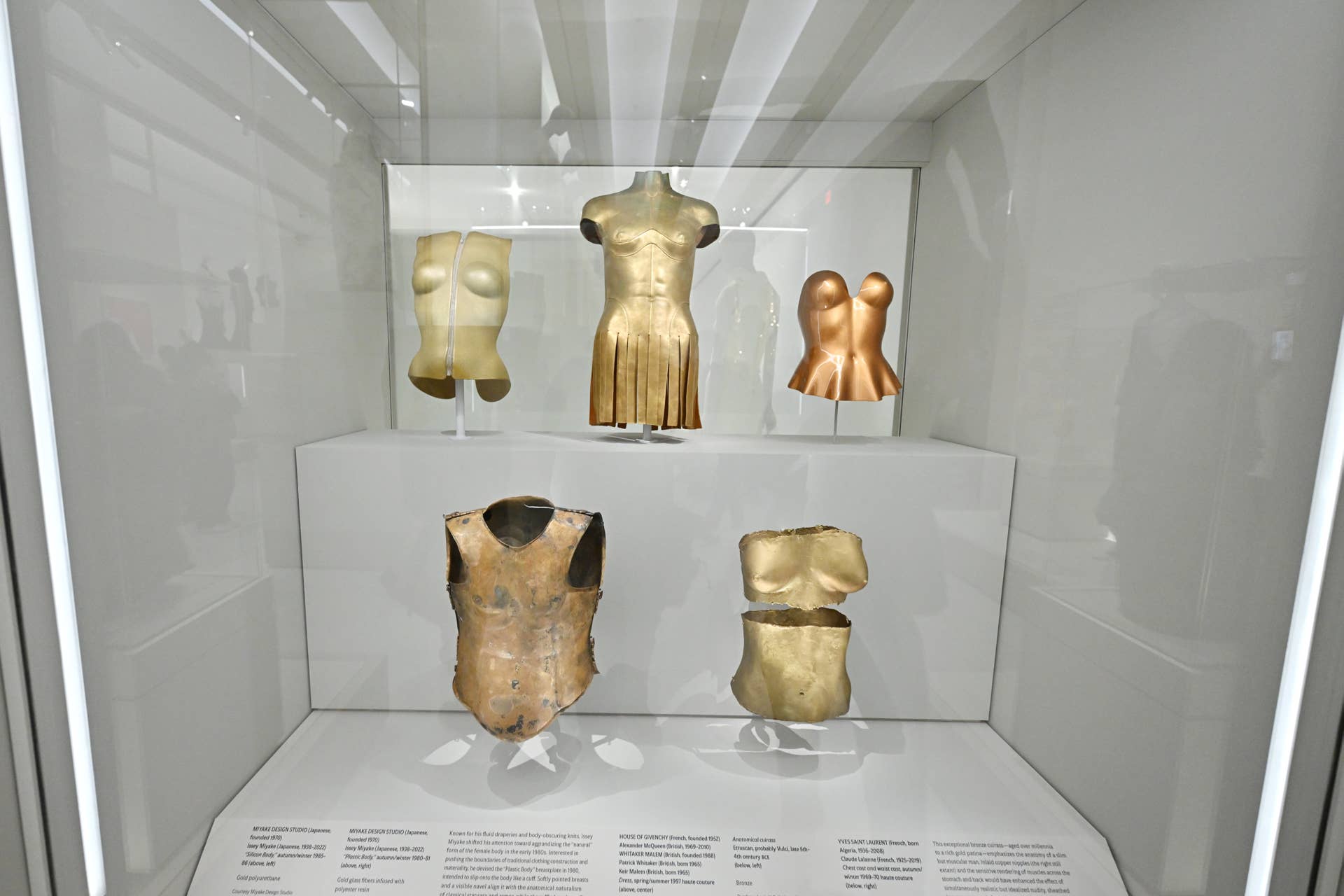
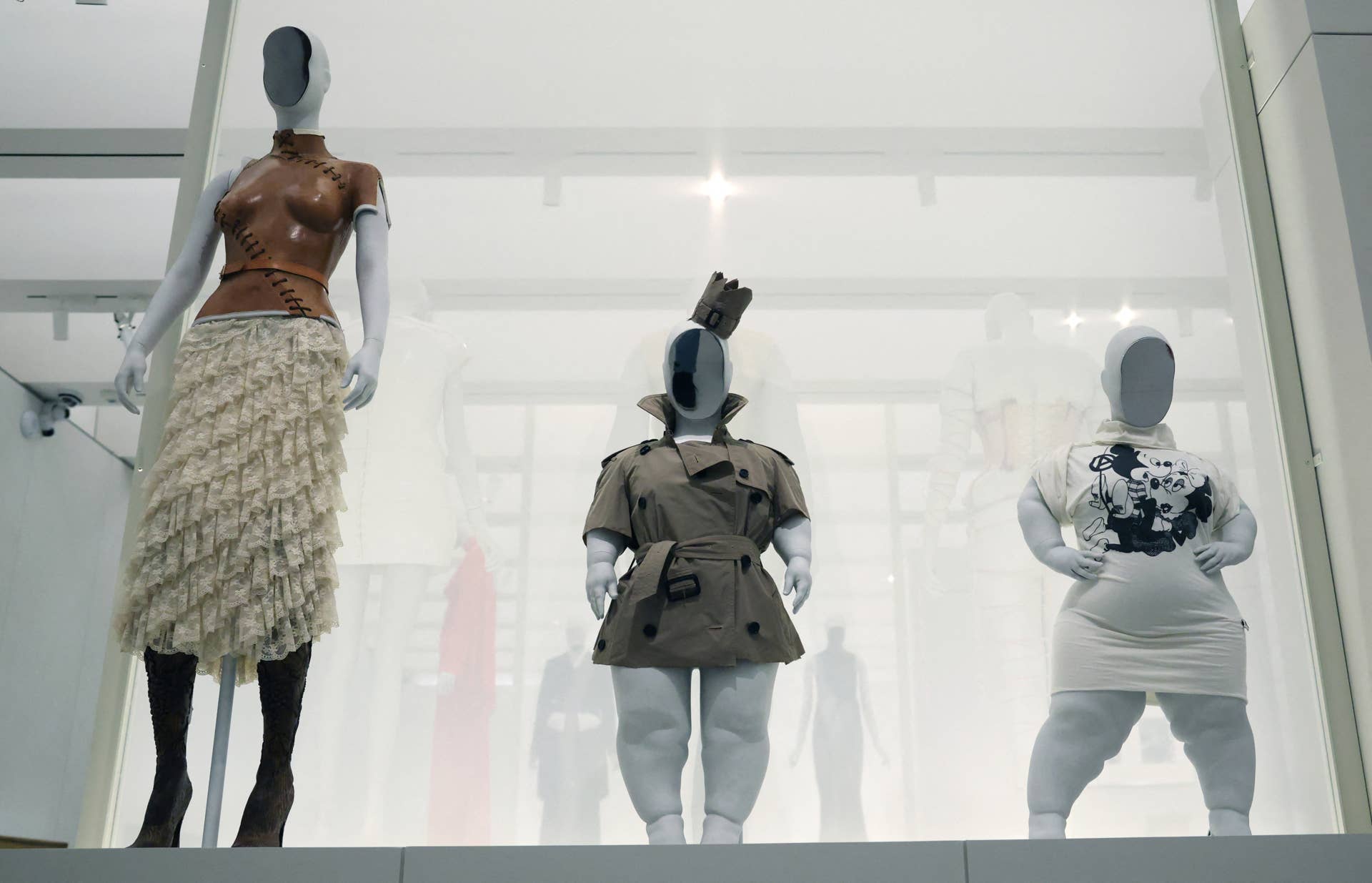
The exhibit occupies a brand new, almost 12,000-square-foot gallery area, which is split into two foremost galleries: “Variety in Bodily Being” and “Bodily Being in Its Universality.” The previous is additional divided into subsections, together with “Reclaimed Physique,” “Disabled Physique,” “Pregnant Physique,” “Corpulent Physique,” “Bare & Nude Physique,” “Classical Physique” and “Summary Physique.”
Photograph: Taylor Hill/WireImage
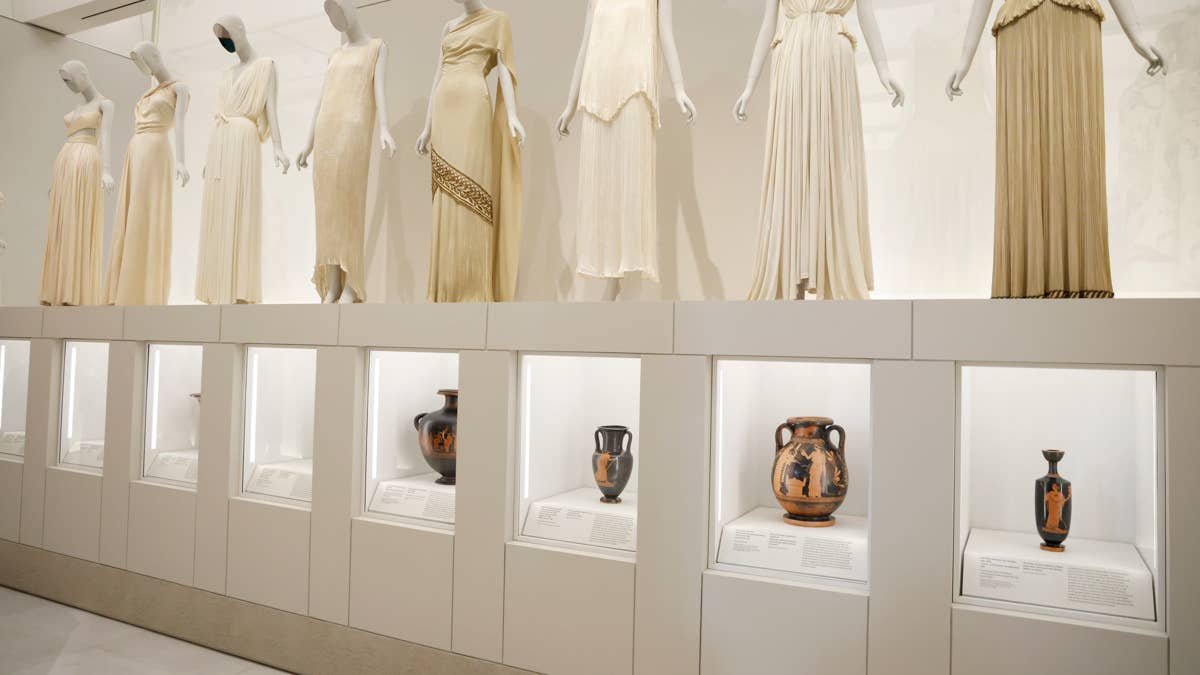
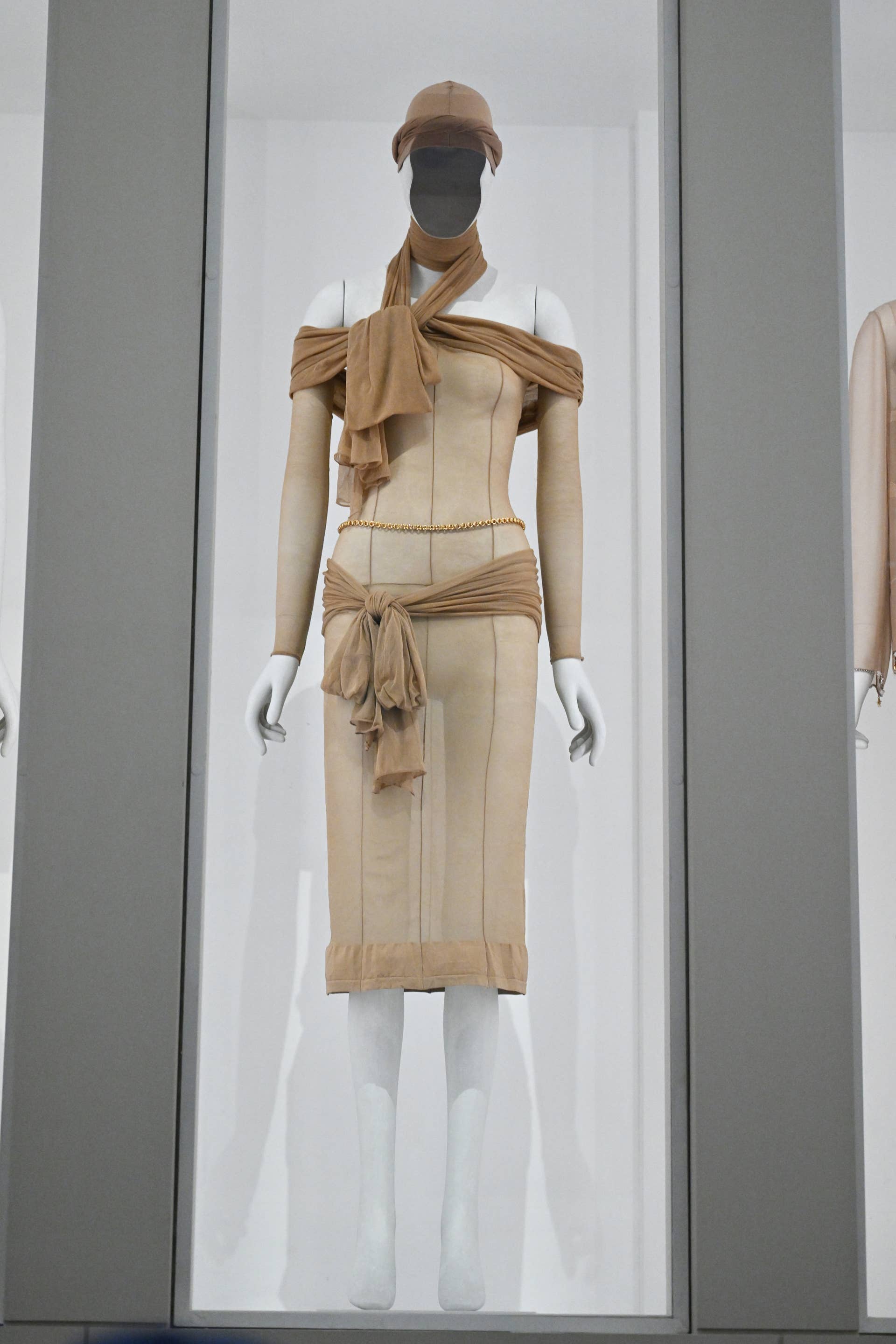
Upon getting into the exhibit, guests first encounter “Bare & Nude Physique,” which showcases the human type via clear and skin-toned clothes. Then viewers step into the “Classical Physique” part: Located alongside a row of columns are Grecian attire crafted by designers reminiscent of Madame Grès and Eta Hentz. “Summary Physique” comes subsequent, that includes historic clothes that discover how clothes parts reminiscent of corsets and bustles have formed the human type.
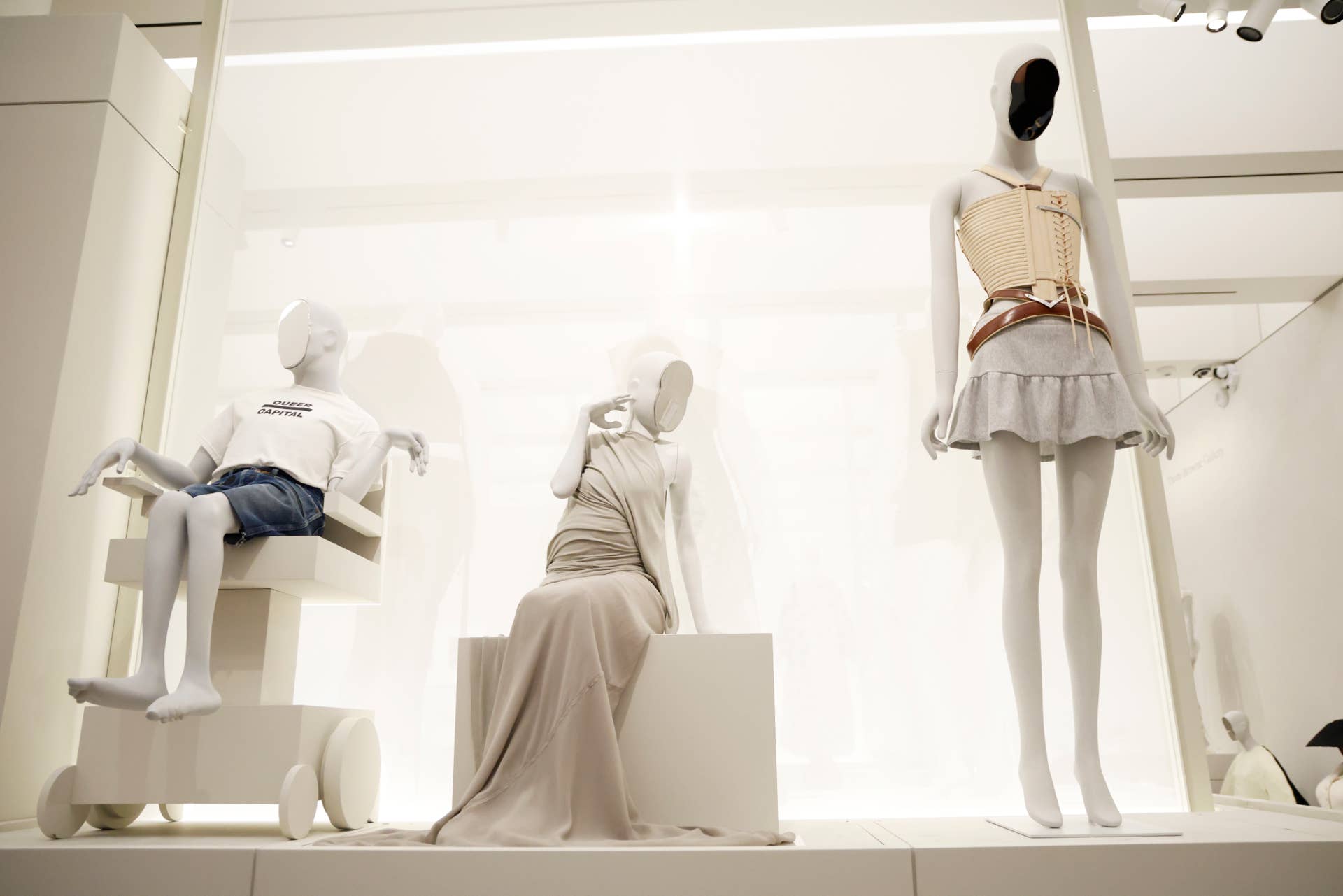
Then comes “Reclaimed Physique,” spotlighting clothes with warped silhouettes to display the great thing about distorted figures. Rounding out the sections are “Pregnant Physique,” “Disabled Physique,” and “Corpulent Physique,” which have a good time marginalized our bodies which have traditionally been discriminated in opposition to and remoted. These characteristic a various array of mannequins representing pregnant, disabled and plus-size physiques. (It is an attention-grabbing, and considerably ironic, resolution given the business’s present regression in body-positivity efforts.) Designers featured embrace Karoline Vitto, Di Petsa and Duran Lantink.
Photograph: Taylor Hill/WireImage
“Right here, style does not merely accompany artwork, it interprets it. The dressed physique turns into the prism via which we encounter work, sculpture, pictures and ornamental arts,” Bolton defined. “We body them via the logic of gown. And in doing so, the exhibition reveals how clothes constructions visibility, constructs id and mediates how our our bodies are represented and understood. We’re animating artwork via our connection to our lived and bodied expertise,”
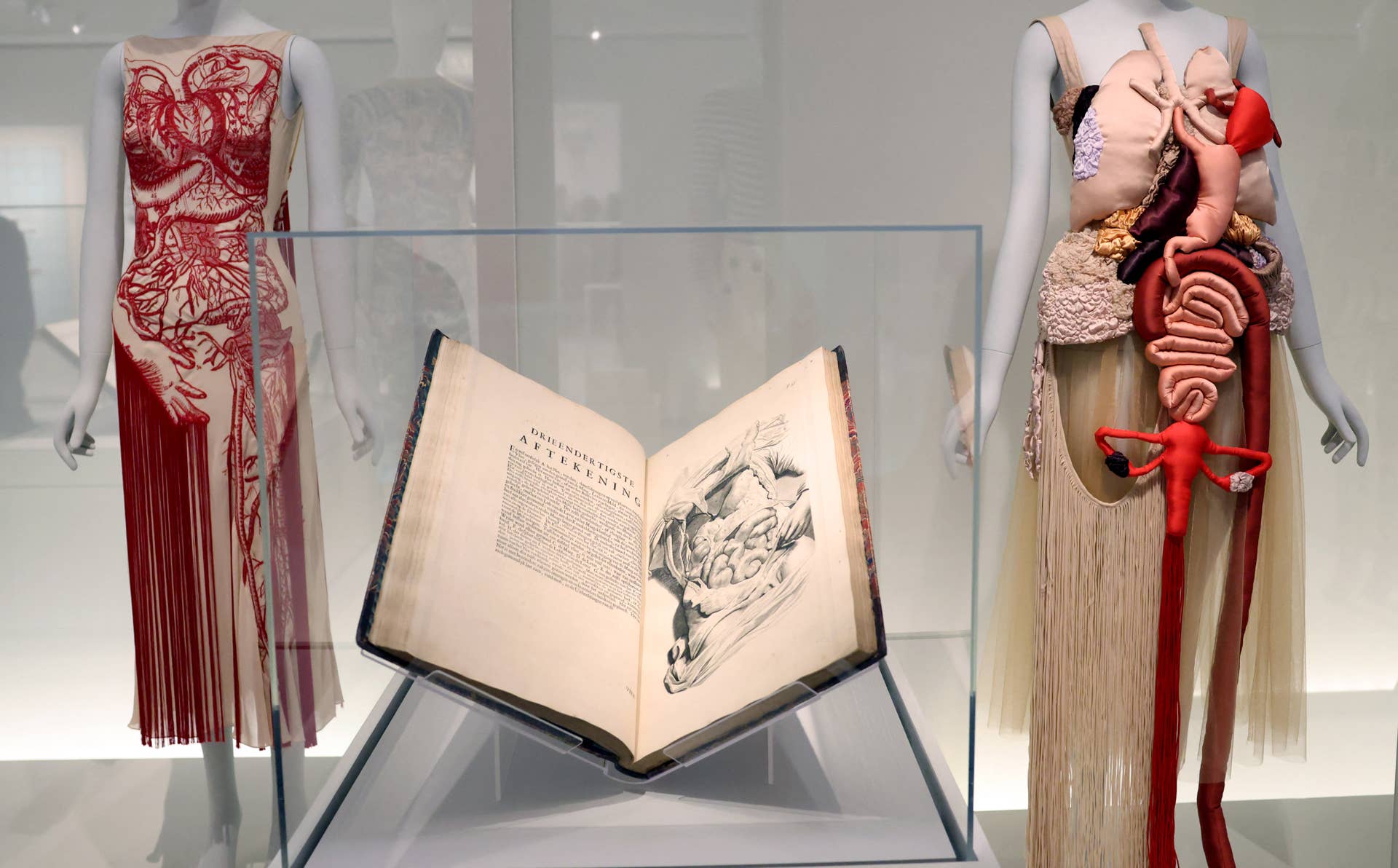
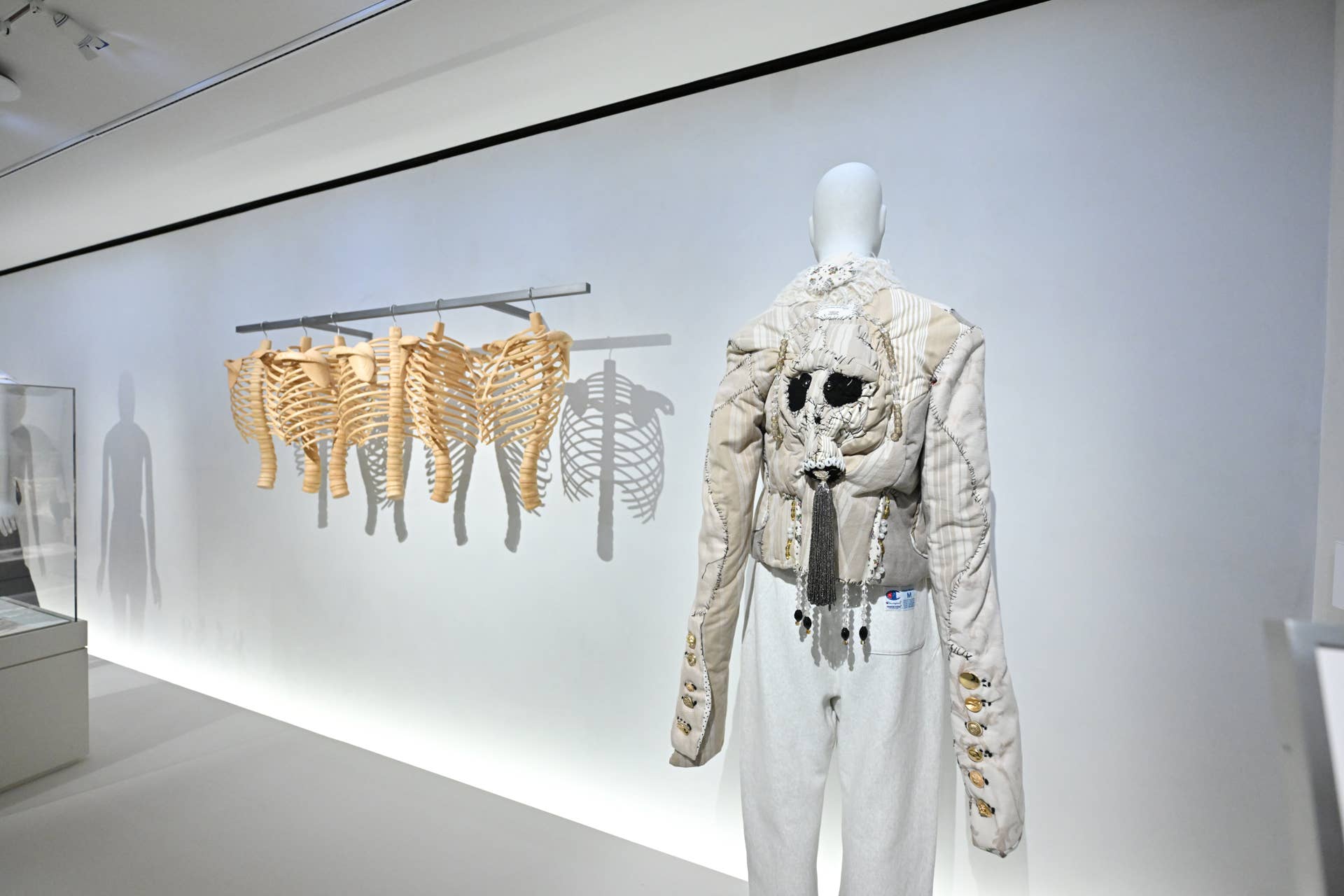
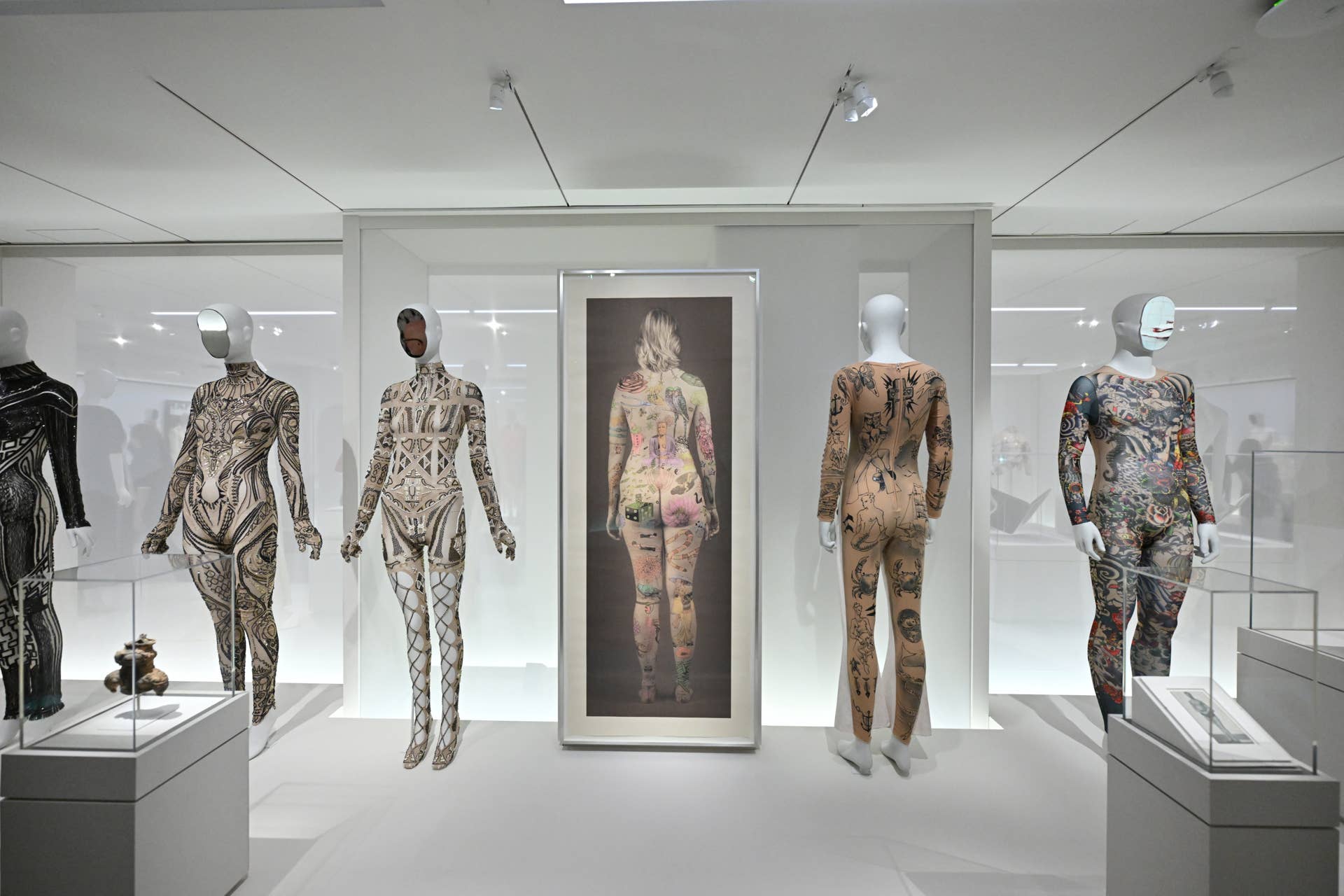
The opposite part of the exhibit, “Bodily Being in Its Universality,” appears to be like on the human determine in its most literal sense, showcasing clothes that spotlight the human anatomy. Its subsections embrace the “Inscribed Physique” (that includes tattoo-printed works); “Important Physique” (an exploration of veins, vessels and blood); “Anatomical Physique” (the skeletal and muscular construction, greatest depicted by a standout Thom Browne gown with hand-stitched embroidered organic construction); “Growing old Physique and the Mortal Physique” (Batsheva‘s “Hag” sweater completely illustrates the truth of getting outdated) and “Epidermal Physique” (robes and boned corsets centered round skeletons).
Photograph: Timothy A&interval; Clary/AFP by way of Getty Pictures
Whereas “Costume Artwork,” like most artwork kinds, permits viewers to type their very own takeaways from the expertise, it objectively positions style as a medium to be taken significantly. It illustrates how clothes has formed historical past and impacts the way in which we view ourselves and others.
“The exhibition is a testomony to the reality that to check style is to check ourselves,” Bolton concluded. “The historical past of artwork can’t be taught with out the historical past of gown, and the historical past of gown is, essentially, the historical past of the human physique.”
“Costume Artwork” can be open from Might 10, 2026 via Jan. 10, 2027. See extra footage under.
Photograph: Roy Rochlin/Getty Pictures
Photograph: Roy Rochlin/Getty Pictures
Photograph: Roy Rochlin/Getty Pictures
Photograph: Roy Rochlin/Getty Pictures
Photograph: Roy Rochlin/Getty Pictures
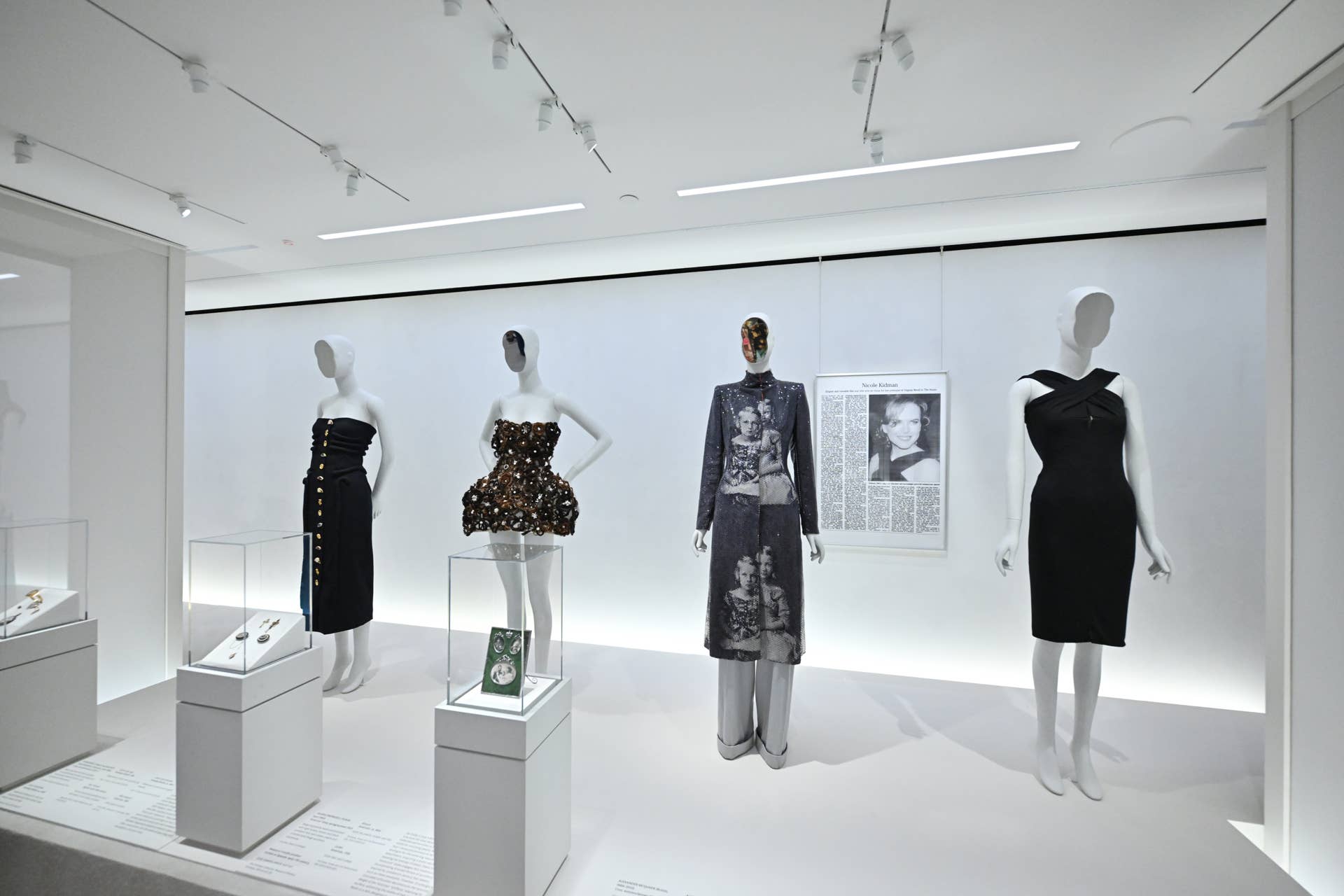
Photograph: Roy Rochlin/Getty Pictures
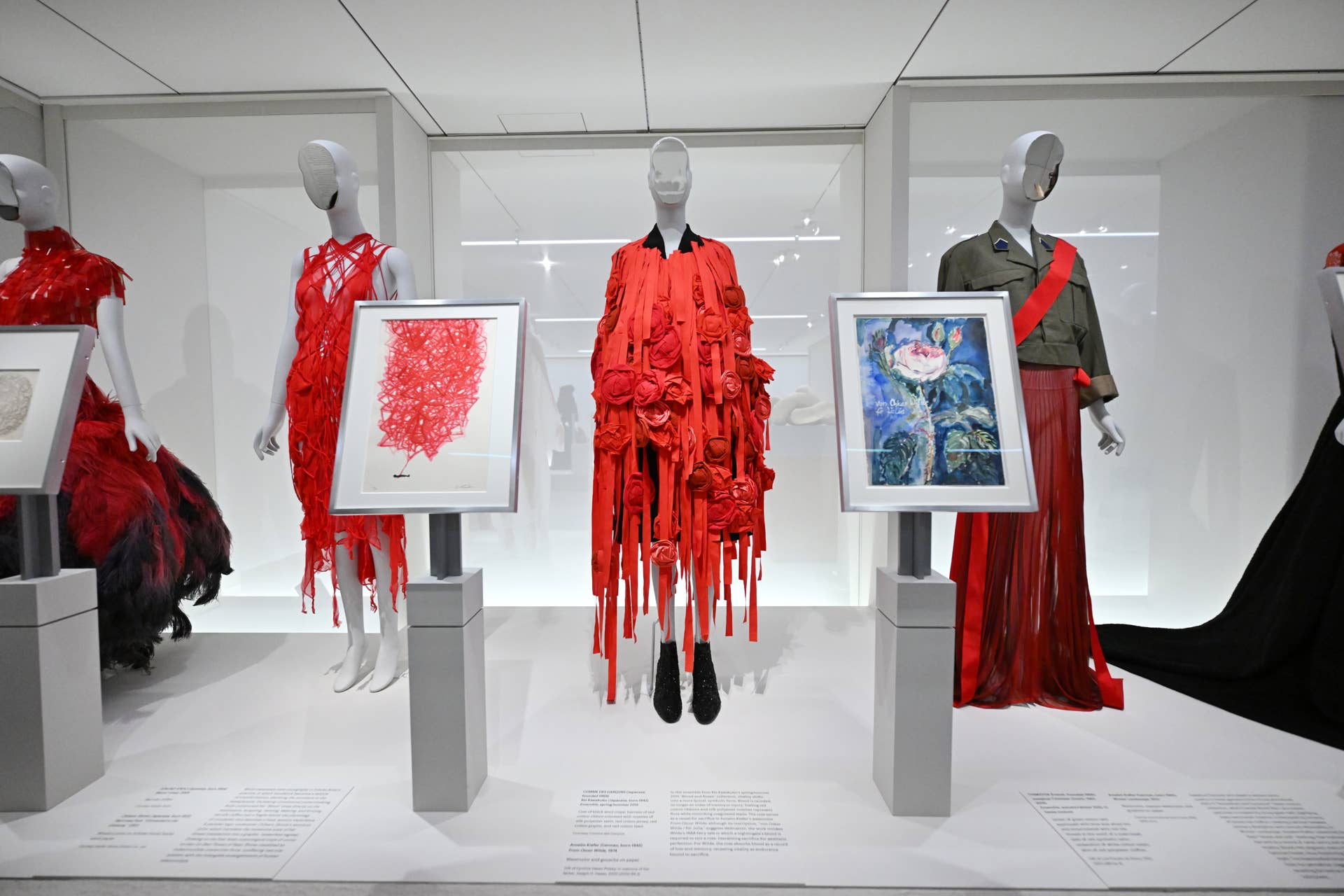
Photograph: Roy Rochlin/Getty Pictures
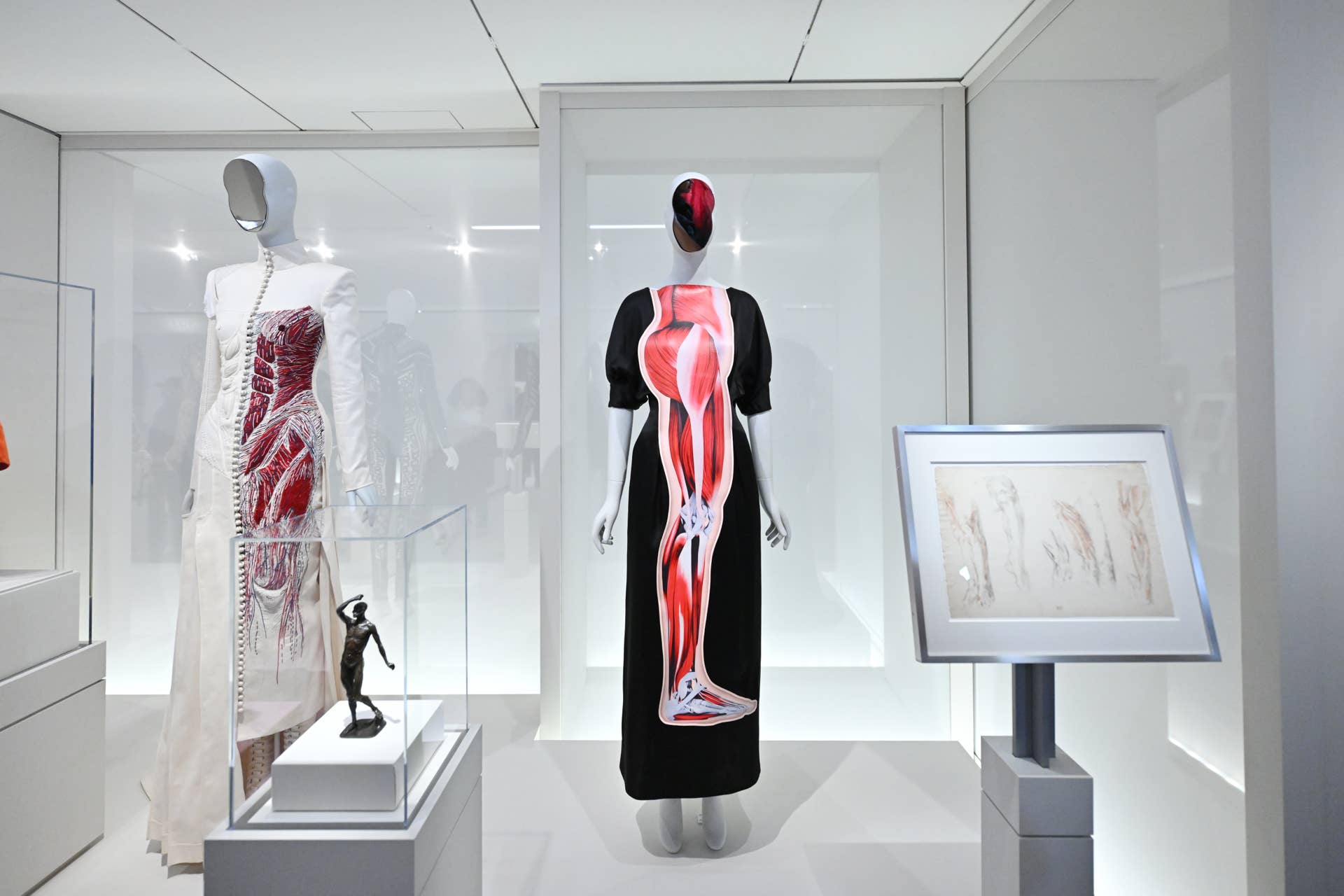
Photograph: Roy Rochlin/Getty Pictures
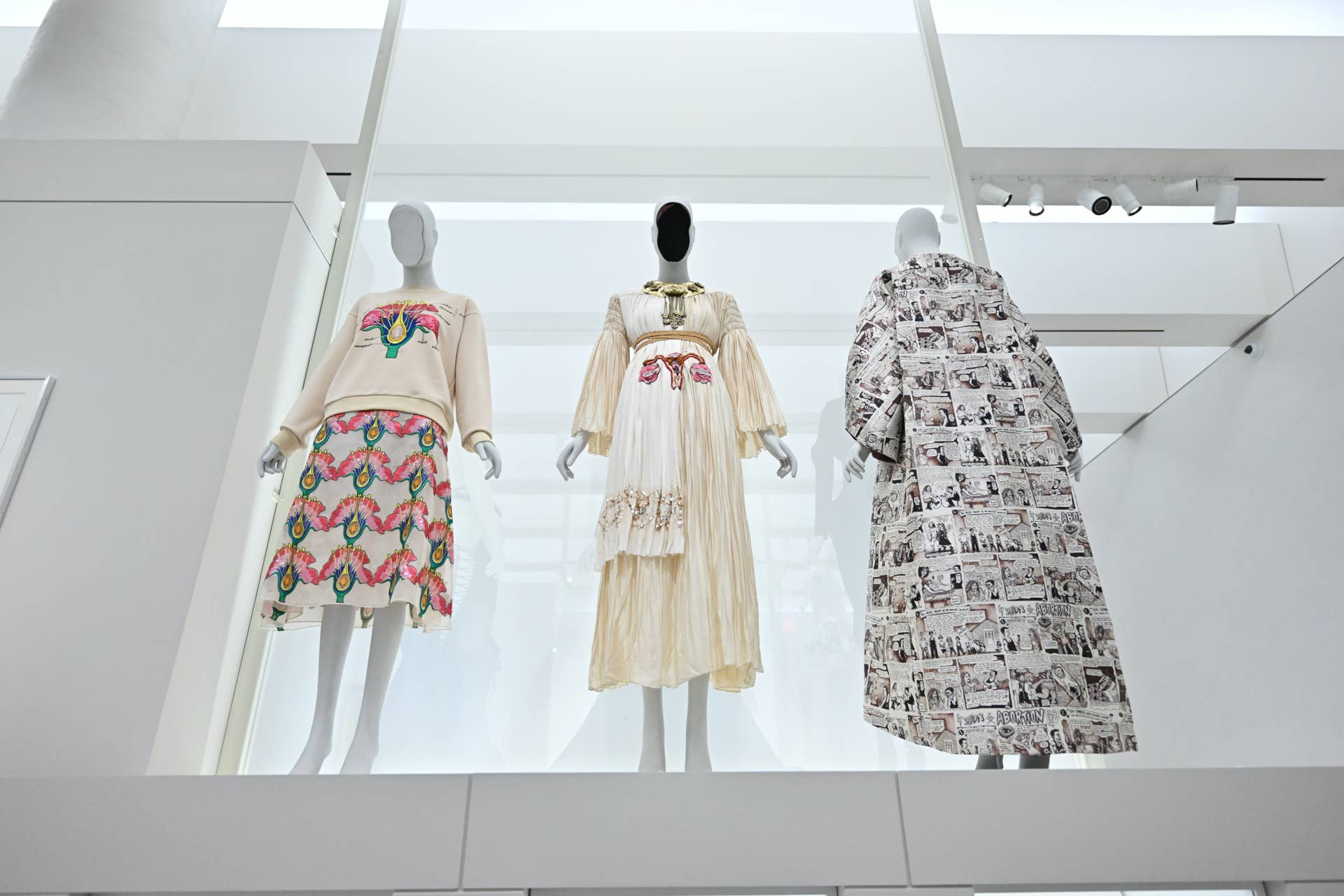
Photograph: Roy Rochlin/Getty Pictures
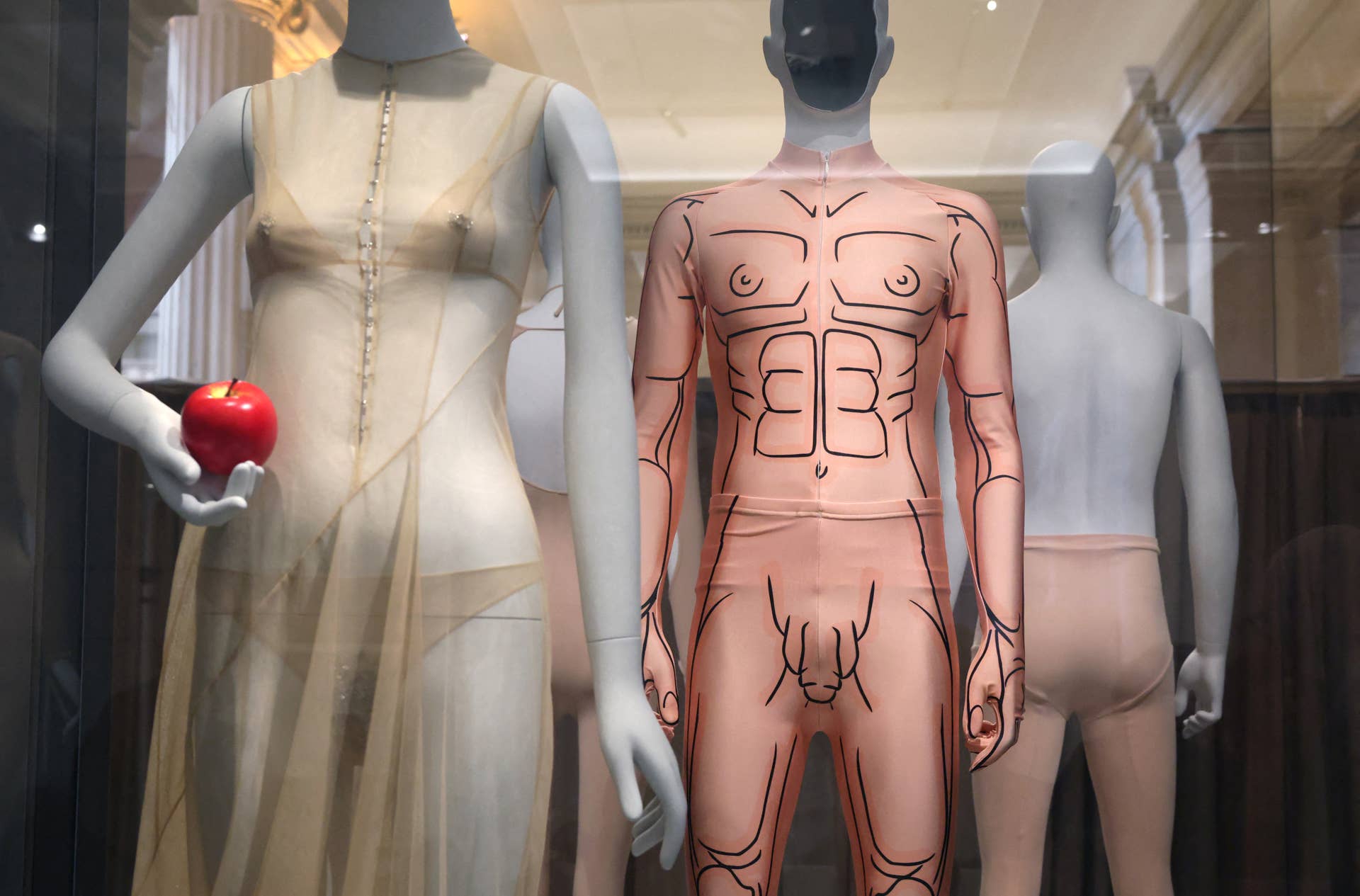
Photograph: Timothy A&interval; Clary/AFP by way of Getty Pictures
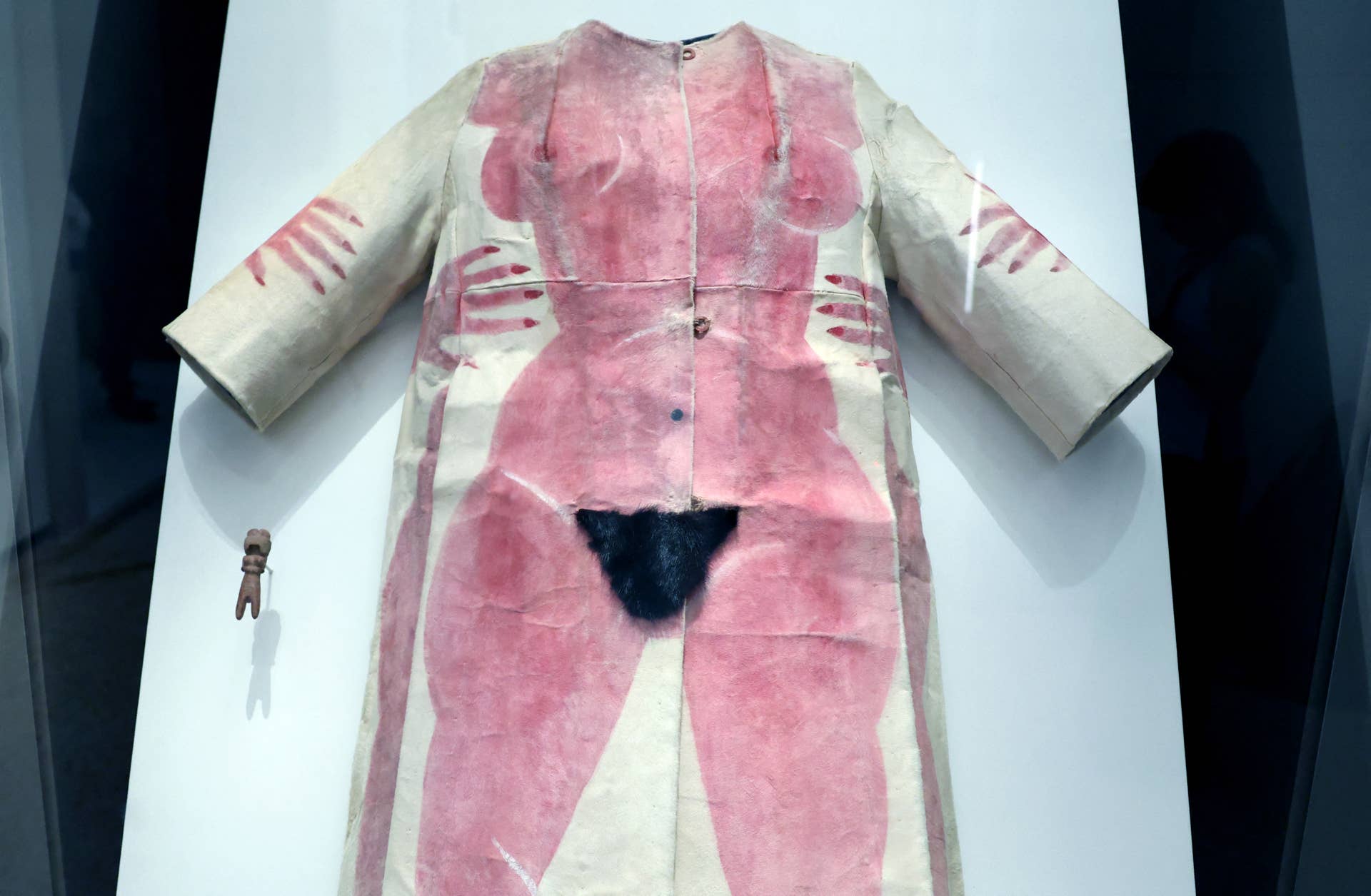
Photograph: Timothy A&interval; Clary/AFP by way of Getty Pictures
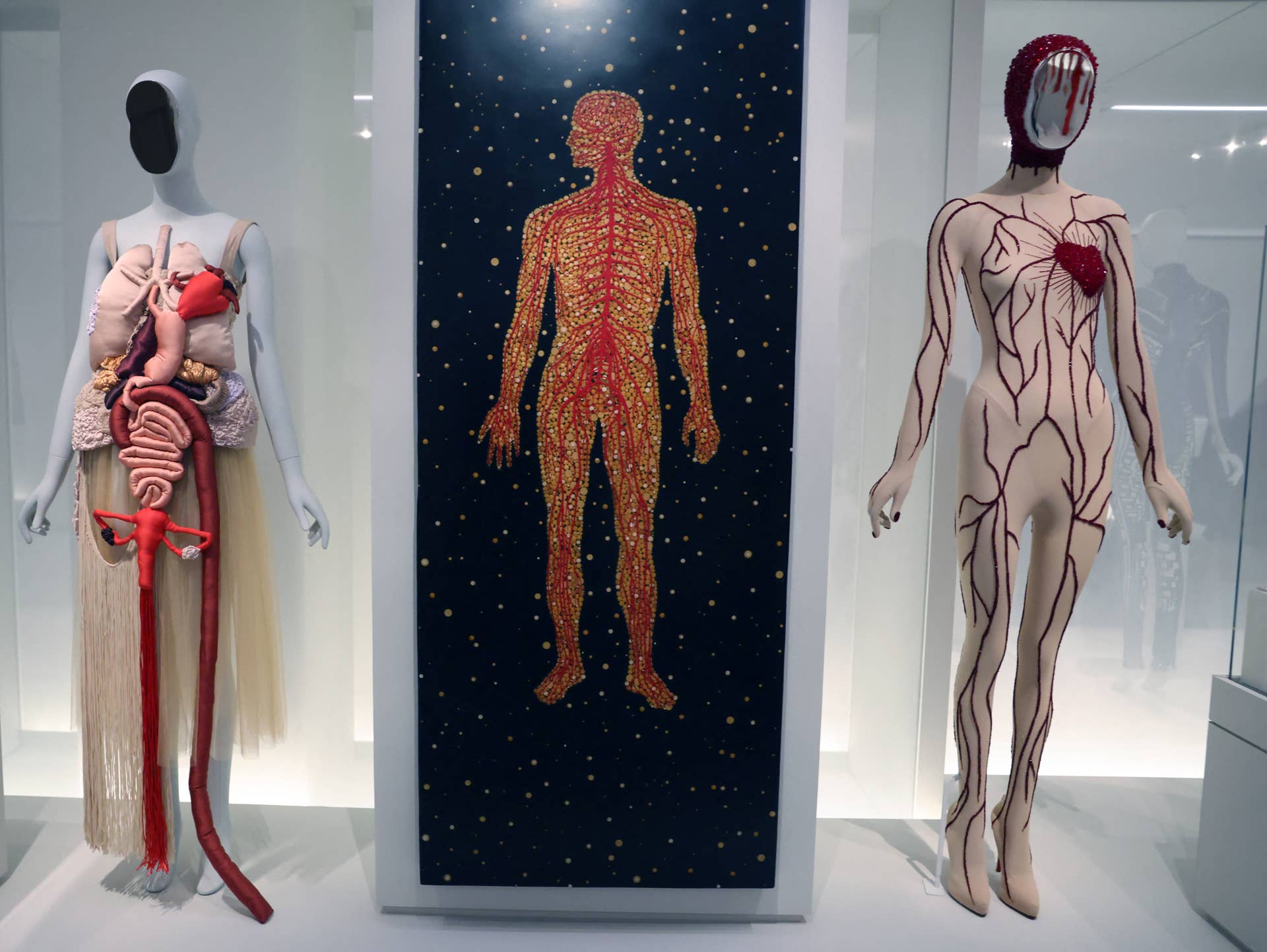
Photograph: Timothy A&interval; Clary/AFP by way of Getty Pictures
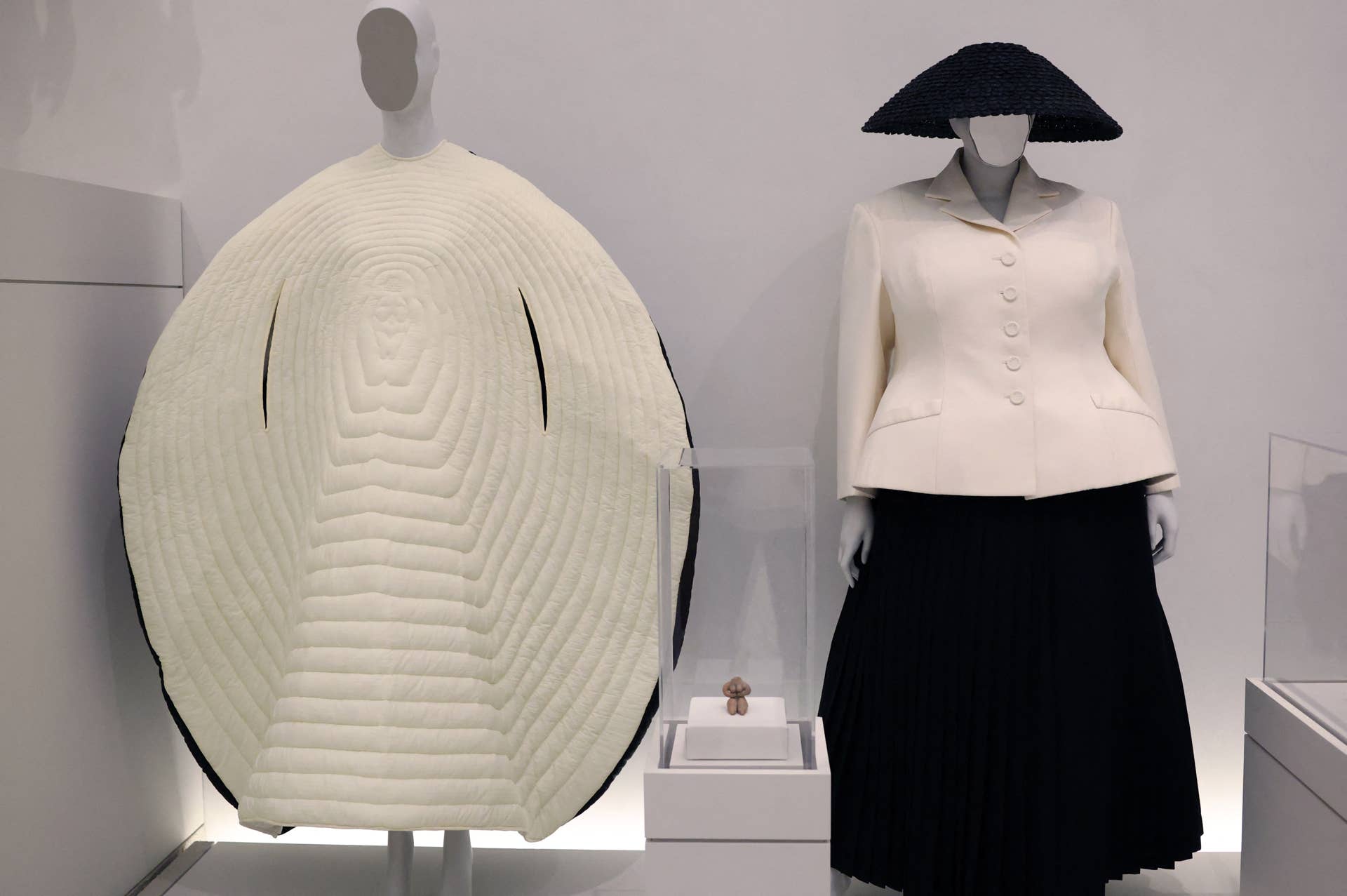
Photograph: Timothy A&interval; Clary/AFP by way of Getty Pictures
Photograph: Timothy A&interval; Clary/AFP by way of Getty Pictures
