

Goal has lengthy impressed a specific type of loyalty. It actually sells its personal merch. For a lot of customers, the retailer gives greater than a spot to select up rest room paper and pet meals: It’s the place they seize Starbucks and get misplaced in discovering new magnificence manufacturers, discovering inexpensive vogue and seeing each their style and values mirrored on the cabinets. However the retailer’s relationship with a few of its clients has grown extra sophisticated lately, notably because it has faced backlash over its LGBTQ+ Pleasure merchandise — or lack thereof — and, extra lately, its decision to scale back a number of formal range, fairness and inclusion initiatives.
In February 2026, Goal’s new CEO Michael Fiddelke shared his vision for a contemporary begin, promising a merchandise makeover that features a new magnificence part (and meals and different main classes). In an interview with AP, he was requested whether or not the boycotts over DEI modifications affected gross sales. He admitted it did and acknowledged that the corporate has “belief to win again with visitors.”
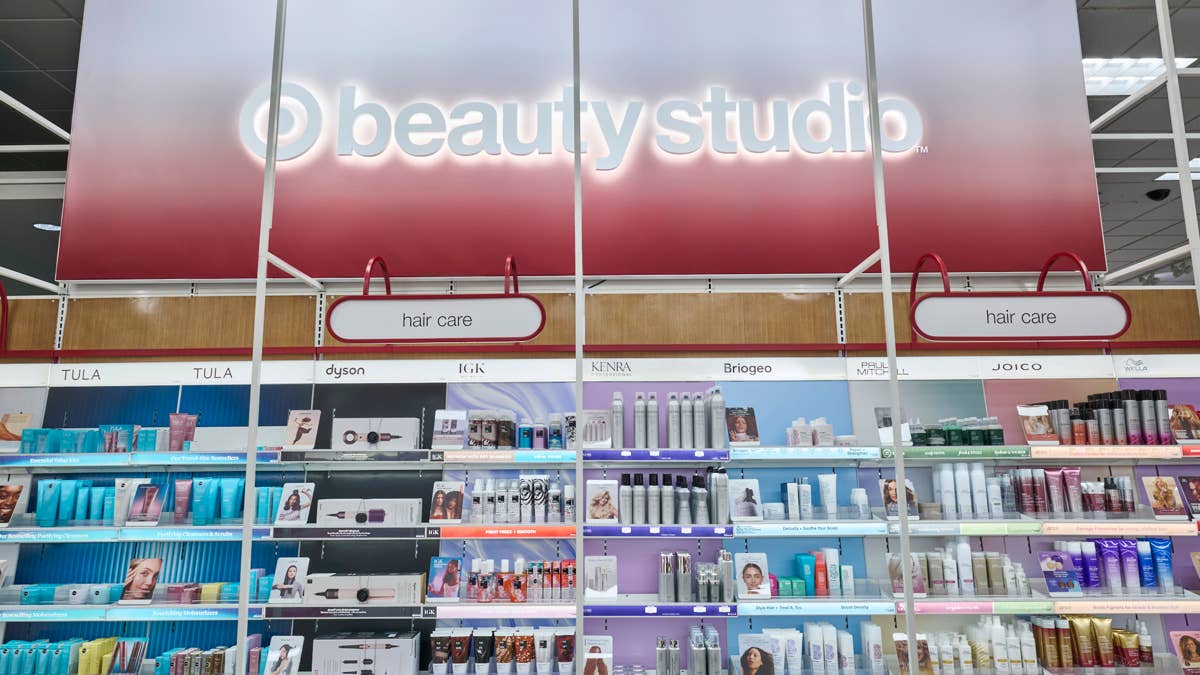
Goal’s income fell 1.7% in fiscal 2025, based on the corporate’s earnings report. Fiddelke is betting that his deliberate modifications will flip issues round. One a part of that plan is the brand new Magnificence Studio, which replaces the Ulta Magnificence at Goal shop-in-shop idea following the conclusion of the 2 corporations’ partnership in August 2026.
Photograph: Courtesy of Goal
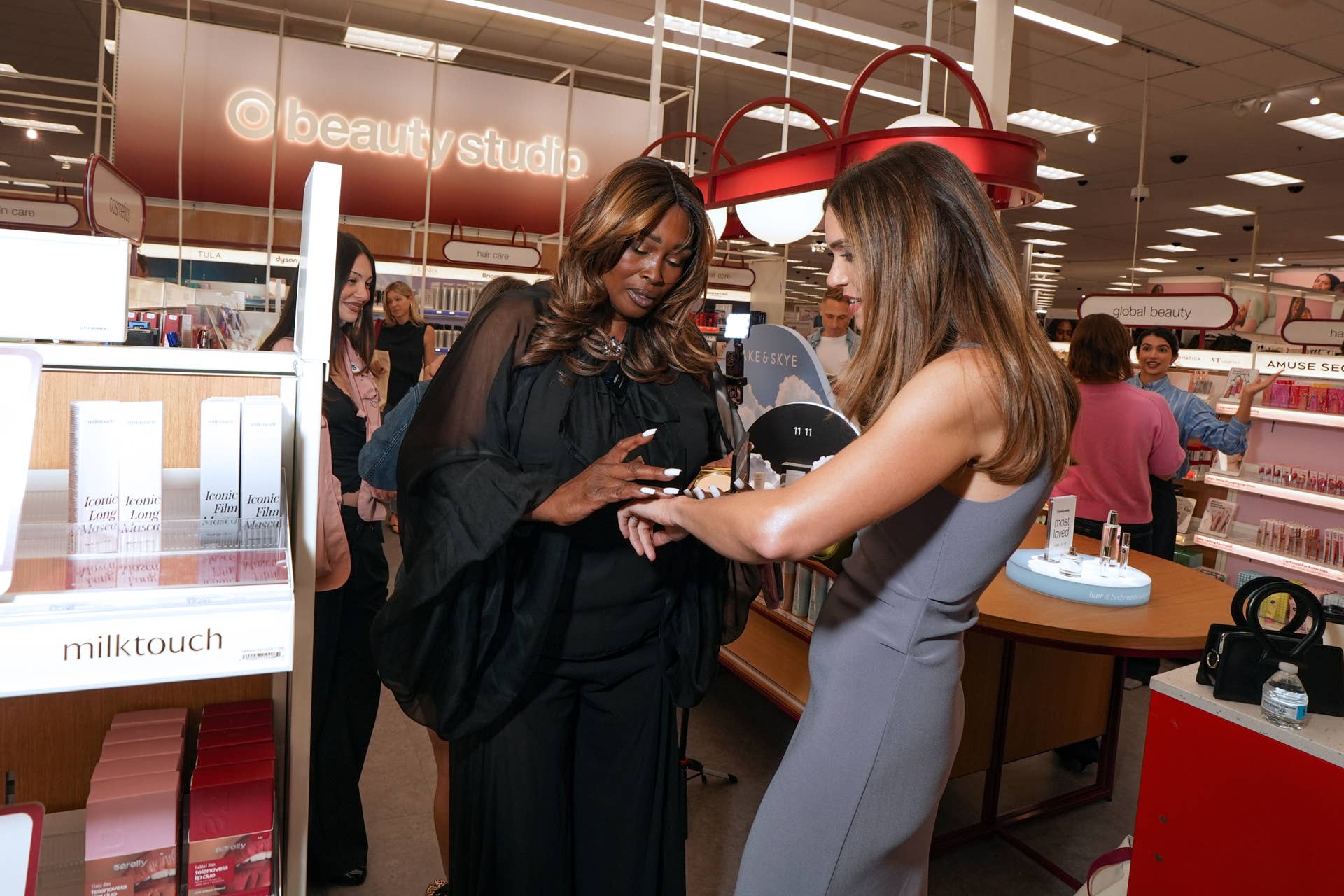
Goal Magnificence Studio contains a “International Magnificence” part that includes manufacturers from Mexico, Japan, South Korea and past. The launch comes as Goal faces questions on the way it will method illustration after stepping again from a number of formal DEI initiatives. For founders like Glamazon’s Kim Baker, the retailer’s dedication comes right down to greater than shelf area. It’s about whether or not manufacturers like hers obtain the sources, visibility and ongoing help they should develop.
“I perceive why these modifications raised issues. As a Black founder, inclusion and truthful entry to alternatives matter to me,” make-up artist and Glamazon founder Kim Baker tells Fashionista by way of e-mail. Earlier than deciding to be within the Goal Magnificence Studio, Baker says she met with a number of different retailers, however Goal gained out. “The range and keenness of Goal’s magnificence group stood out to me,” she says. “They understood our merchandise and our clients, and I felt revered as each a make-up artist and a enterprise proprietor. That mattered to me after we determined to maneuver ahead.”
The cost of being in retail could be difficult for many manufacturers, however Baker selected Goal for its help of Glamazon. “Getting on the shelf is thrilling, however there are actual prices past making the merchandise and establishing the show,” she says. “As an rising model, you want a group that wishes you to succeed past launch.”
Related: DEI Is Good for Business, According to Beauty's Buzziest Investors
She says Goal’s management has been out there for assist and made her really feel comfy by way of the entire course of. “As a Black founder constructing this enterprise, having folks we will name for recommendation and discuss by way of concepts with has meant lots,” she provides. “In addition they come to us with concepts for together with Glamazon in advertising and marketing alternatives and highlighting me as a founder.”
Nonetheless, Baker stresses that “DEI initiatives play an essential position in opening doorways.” However she says retailers can proceed creating alternatives for founders of coloration by way of totally different sorts of initiatives. “Retailers can meaningfully help founders of coloration by way of efforts with totally different names, supplied they persistently create entry, put money into these manufacturers and help their progress. The dedication must be mirrored in motion.” (As they are saying, DEI by another title…)
Photograph: Courtesy of Presley Ann/Getty Photos for Goal
Amanda Nusz, Goal’s SVP of merchandising, necessities and sweetness, echoes the corporate’s dedication to supporting rising manufacturers. “We now have the Goal Basis and the philanthropic area that invests in [the] actually early, early stage,” she explains. “Then we’ve an accelerators group who actually focuses on the subsequent stage when it comes to onboarding and mentorship and programming. After which we’ve the retailers who work with small manufacturers to giant manufacturers.”
Requested instantly about issues concerning the DEI modifications, Nusz stresses Goal’s “actual dedication to construct an assortment that displays the group by which we serve.” She continues: “We now have unbelievable founders from everywhere in the world as a part of this, be it Sarelly from Mexico, be it so lots of our Okay-beauty manufacturers, be it from in every single place and extra to return.” The assortment will proceed to develop, she says. (Fashionista reached out to Sarelly for remark however didn’t obtain a response.)
Whereas some manufacturers are describing a optimistic new partnership with Goal, different Black-owned companies, together with Alikay Naturals, Oyin Handmade and Curls Dynasty, have disappeared from Goal cabinets or gone out of enterprise solely, per Modern Retail. For April Showers, founder and CEO of Afro Unicorn, having to depart Goal was a “six-figure monetary hit.”
Her model entered the retail large in 2022 with hair-care merchandise, books and extra, made for girls of coloration. When the Goal boycotts began in early February 2025, she determined to “hearken to the group” and cease advertising and marketing her model on the retailer. That tanked her gross sales, she says. She was compelled to low cost merchandise to make sure they have been gone from cabinets by the top of 2025.
The retailer’s “silence” on the DEI rollbacks upset Showers’ group. “I needed to attain out to folks to essentially perceive that they believed that Goal used the Black group for cultural reference as a result of they made Goal [feel] like theirs,” she tells Fashionista. “They’d Black Historical past Month [on] full show [in the] entrance and Goal was simply at all times part of the group and supporting our occasions. And [it felt like] they have been [a] champion for us. And so for them to drag again, it was laborious for folks to simply accept that as a result of they felt like Goal mainly simply performed of their face.”
Afro Unicorn continues to be offered at Walmart, a retailer that additionally rolled back DEI efforts, however Showers says her group had “no expectations for Walmart” as a result of it “didn’t lead” with help for Black-owned manufacturers. “That wasn’t a promoting level for them,” she says. “Goal used us as a promoting level.”
Showers is obvious, although, in her help of the Black-owned manufacturers, equivalent to Glamazon, in Goal’s new Magnificence Studio. Though she herself isn’t procuring on the retailer, she encourages anybody in her viewers who’s to purchase Black-founded manufacturers and help her buddies, equivalent to Kim Baker. Store the indie manufacturers, store the manufacturers that want the help, she says.
For indie model Alleyoop, CEO and founder Leila Kashani Manshoory tells Fashionista that Goal’s help for a smaller model made becoming a member of the Magnificence Studio a no brainer. “Different giant retailers we spoke with required steep slotting charges, huge advertising and marketing commitments, or exclusivity,” she says. “Even with a powerful group behind us and merchandise that had offered out with waitlists of 20,000 folks, making these offers work would have meant an enormous fundraise or a dangerous guess on the enterprise.”
“They’ve supported us with testers, retailer trainings, and trustworthy suggestions that’s helped our enterprise develop,” Manshoory continues. “They introduced us into designing our shows and allow us to convey the model to life in the way in which that felt proper for us. It actually seems like we’re co-creating one thing alongside them.”
For Goal, the query is whether or not initiatives just like the Magnificence Studio will help rebuild the belief it has misplaced with some customers or if the modifications from 2020’s guarantees (and continued controversies) are too huge a hurdle. This system appears to supply an thrilling platform for rising magnificence manufacturers, however whether or not that interprets into renewed buyer loyalty stays to be seen.
