

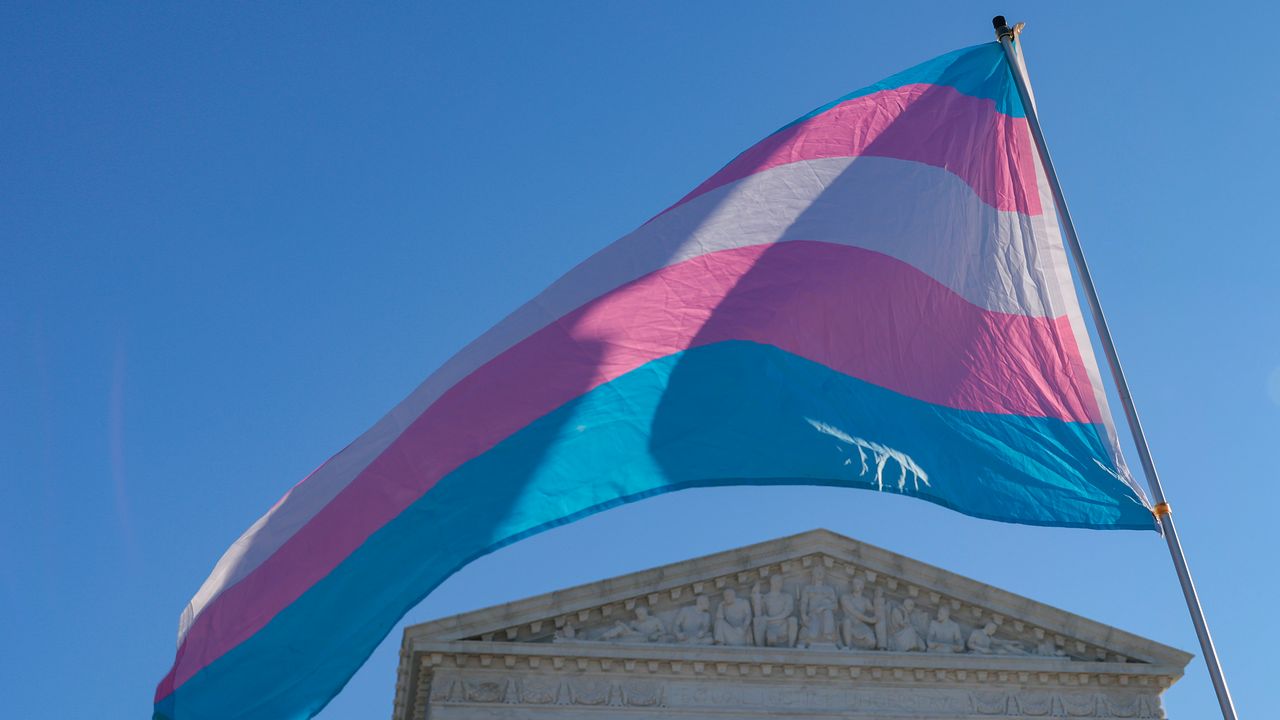
As I learn the information on June 30 in regards to the US Supreme Court upholding bans on trans kids in sports, I felt heartbreak and a way of “Effectively, we knew it might occur” on the similar time. Then I instantly thought of Dew and Em, two younger transgender athletes who’re amongst people who the bans will harm essentially the most. How lots of the justices who voted for this ban know trans youngsters? What number of have taken the time to listen to their story?
In engaged on our newest e book, Truthful Recreation: Trans Athletes and the Way forward for Sports activities, Dr. Anna Baeth, Chris Mosier, and I interviewed trans athletes ages 8-59, together with Dew and Em. Dew is a trans boy who loves powerlifting. Whereas Dew is powerlifting, he doesn’t take into consideration gender. He doesn’t take into consideration classifications. He’s completely within the second, in his physique, centered on type and the duty at hand.
Dew’s coach runs a follow that transcends gender. The athletes usually are not seen as lady powerlifters and man powerlifters, simply powerlifters. On the finish of the day, it is simply the athlete towards the bar. Dew’s highschool powerlifting competitions, nevertheless, do have a gender element. As a trans boy, Dew desires to compete within the boys’ class; in his state, although, he has to compete within the class that’s per the assigned gender on his beginning certificates, so he’s compelled to compete with the ladies or by no means.
Dew doesn’t simply get to be a child competing in a sport he enjoys; his physique in competitors has grow to be a political debate. Though Dew likes profitable, he doesn’t like profitable within the feminine class as a result of it doesn’t really feel genuine to him. He stays, although, for the enjoyment of competing and the security of belonging to your physique and a staff. Insurance policies just like the one which power Dew to compete towards ladies want gender and intercourse policing to be enforced. They put extra scrutiny on trans our bodies and all our bodies within the ladies’ and girls’s class.
Now take Em, a highschool softball and volleyball participant who’s trans; she performs in a state that does not power her to play within the class that’s listed on her beginning certificates. However with the path by which the bans are shifting, sooner or later, she’s going to possible need to show she is a lady—utilizing another person’s definition.
Banning trans women from sports only reinforces harmful stereotypes and undermines the progress made in athletics. As Billie Jean King stated at a Women’s Sports Foundation event, “There isn’t any place in any sport for discrimination of any variety…. The worldwide athletic neighborhood grows stronger after we welcome and champion all athletes—together with LGBTQI+ athletes.” Em was an emotional little one, and she or he felt strain to suppress her feelings and be stoic, partly, as a result of she was assigned male at beginning. Her friends made enjoyable of her for being female and she or he felt othered. Sports activities, then, grew to become a spot to relaxation from the strain and simply play. Em participated in T-ball at age 5 and, ultimately, baseball.
When Em got here out as trans, she began enjoying softball and ladies’ volleyball. On her highschool staff, Em’s coach was supportive and attentive, and when a teammate misgendered her and mentioned unkind issues about her behind her again, two of her teammates and her coach stepped in, stood up for her, and shut it down. It introduced the staff nearer collectively and constructed belief. Over time, her teammates grew to like her, partly as a result of she is so devoted and staff centered. She is going to do what it takes to enhance and contribute.
