


Because the Nineteen Fifties, teen magazines have helped younger folks — women, particularly — navigate the rollercoaster that’s adolescence. By the late ’90s, they reached a form of peak, with titles like Seventeen, Sassy, YM, CosmoGirl, Tiger Beat, Teen and Teen Folks flying off newsstands. However with the sharp rise of digital content material between 2004 and 2010, teen media all however pale away. Tavi Gevinson then made a formidable try to deliver it again in a contemporary, digital-meets-analog format with Rookie, however even that met its end by 2018.
Whereas rising up, Millennials managed to expertise a little bit of each worlds: print magazines and social media, landlines and iPhones, CDs and streaming apps. However for these born after Y2K, the world was digital-first. With (seemingly) every part within the palms of their arms, teenagers have had much less motivation to select up a shiny IRL, therefore the medium’s sharp decline. On the identical time, beloved youth-focused media titles remained a part of the cultural dialog, if solely attributable to Millennial nostalgia. And in the present day, teen-focused content material is on an upswing as soon as once more.
Photograph: Jerritt Clark/Getty Photographs for W Journal
In April, W’s Editor-in-Chief Sara Moonves introduced a brand new publication, WYouth. With New York-based inventive director Ava Nirui at its helm, the primary print problem hit newsstands on Sept. 15. “The thought got here from a dialog with Sofia Coppola and Moonves the place we had been serious about the magazines we grew up with after we had been youngsters. They had been so influential and formed the entire issues we had been obsessive about,” Nirui stated in a press launch. “We need to deliver again that spirit, however for in the present day.’’
Moonves and Nirui aren’t the one ones: In August, style media vet Paula James-Martinez launched Cuqui, a print journal described as “a spot for girlhood that appears you within the eye.” In the meantime, the few remaining teen legacy titles are being reinvigorated by recent management: At Condé Nast, Alyssa Hardy is main a brand new period of Teen Vogue’s digital protection following the model’s consolidation into Vogue final 12 months; and at Hearst, Seventeen is now led by the all-too-savvy Willa Bennett, who additionally oversees Cosmopolitan.
All of them are on a mission to show that teen magazines are related and crucial once more — and possibly they’re, greater than ever.
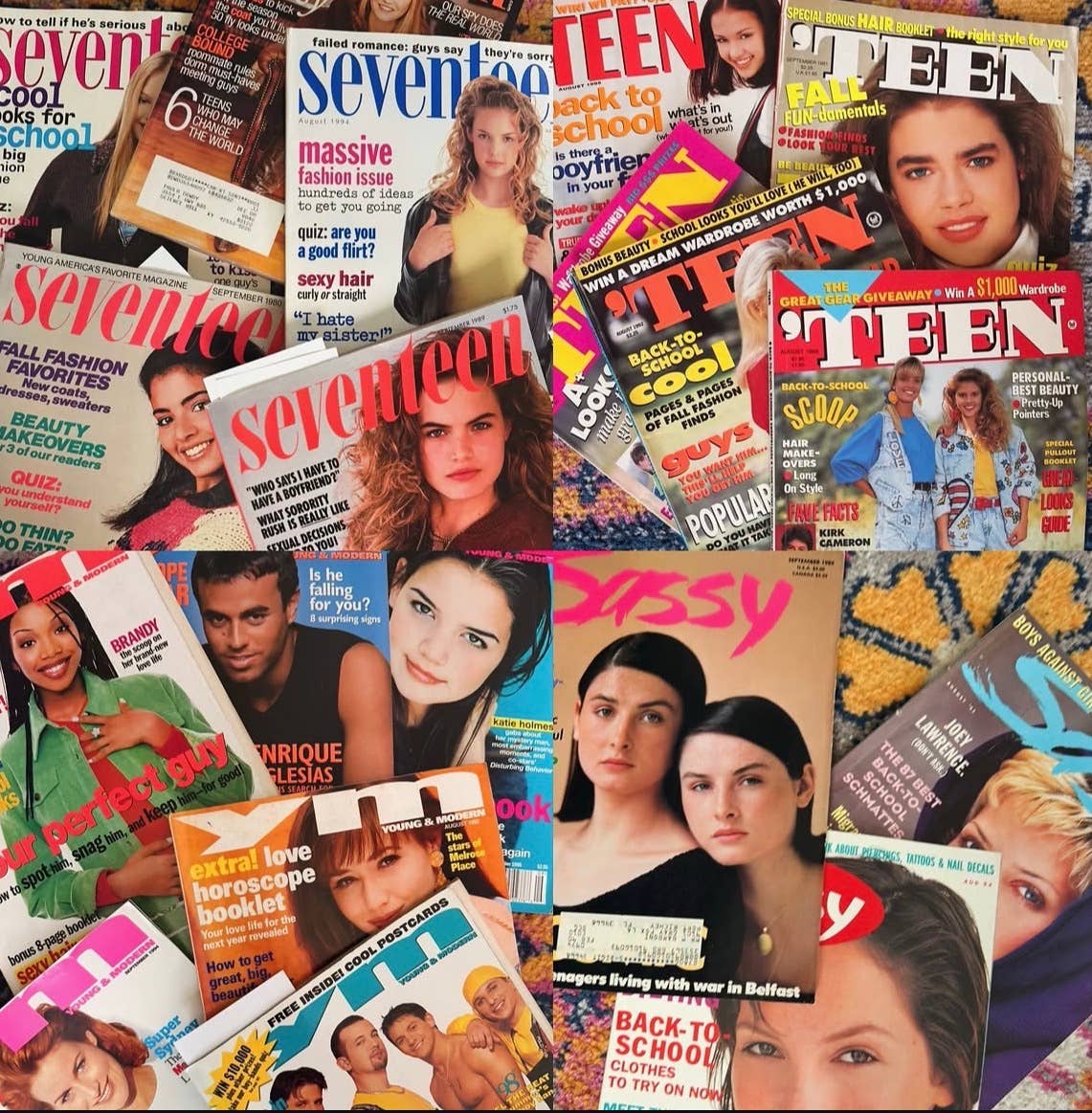
In response to Morgan Baden, creator of the archive account @teenmagazinemuseum, Millennial nostalgia and a sure escapism play a giant position on this budding revival. “The world is in a variety of flux, and revisiting issues we cherished — particularly bodily objects like magazines, which haven’t been as accessible as different previous media — is a strategy to escape,” she says.
Baden began amassing teen magazines when her daughter was born and postpartum hormones sparked a wave of nostalgia. “I used to be delighted to find that a complete business existed in locations like eBay and Etsy,” she remembers. “I purchased just a few Teenagers and had a lot enjoyable rereading them that I started amassing Seventeen, Sassy and YM.” Finally, she determined to showcase her compilation on Instagram with @teenmagazinemuseum, which now has 25k followers and in addition operates by means of Substack and Threads.
When reflecting on the teenager magazines that formed her, Baden holds two truths: She reveres them and, concurrently, acknowledges their restricted views, guided by whiteness, thinness and heteronormativity. “At their worst, they made us really feel dangerous about our our bodies, faces, hair, who we had been interested in and what that may imply, what we might afford to purchase and the hidden worries we had about what folks considered us,” she admits. “However at their finest, they had been a lifeline, answering questions we didn’t assume we might ask, normalizing the unusual issues puberty was doing to us, and displaying us a model of younger maturity much less scary than what different media confirmed us.”
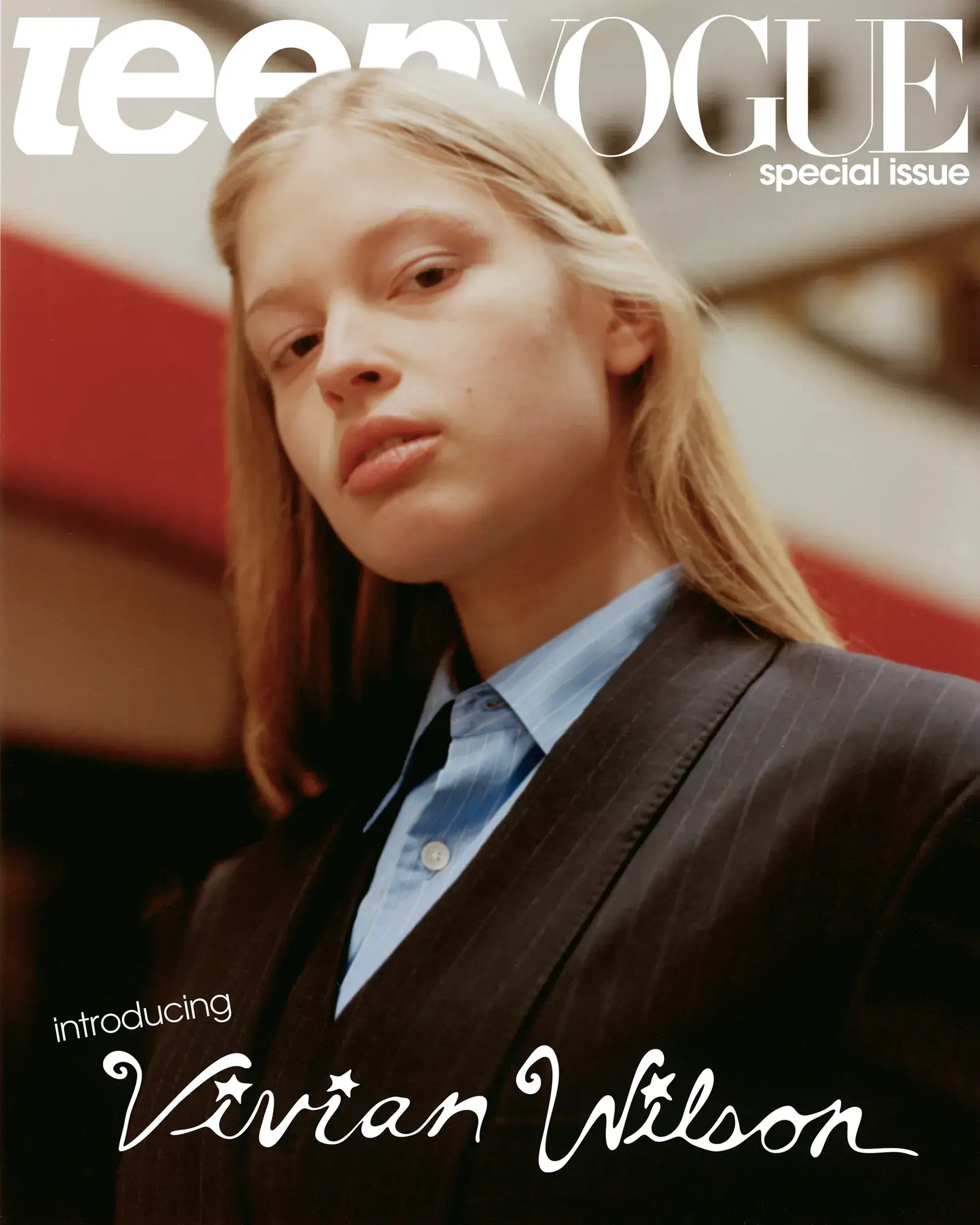
Photograph: Andy Jackson/Courtesy of Teen Vogue
Because the peak of stripling magazines, cultural conversations have developed, and so has the media surrounding them. At the moment, Teen Vogue covers subjects like a luxury fashion group investing in youth sexual violence prevention and places transgender Gen-Z icons like Alex Consani and Vivian Wilson on its covers, whereas Seventeen spotlights BIPOC stars with its latest digital problem targeted on fandoms.
Millennials are largely liable for ushering within the comeback of stripling magazines, however they’re doing so within the title of subsequent generations. “Millennials bear in mind how necessary teen media was for them and see that in the present day’s youthful era wants that too,” says Hardy, Teen Vogue’s digital director. “Younger folks deserve media that displays them in numerous methods whereas nonetheless being curated.”
Regardless of now working below Vogue’s digital umbrella, Teen Vogue retains its protection deeply rooted within the youth and their priorities, Hardy says. “Whether or not it’s a celeb or a style model or a recreation or a e-book, it’s necessary to them after which to us,” she continues. “Their perspective is necessary; the problems they care about are necessary. We need to present simply how thrilling all of these issues may be.”Regardless of now working below Vogue’s digital umbrella, Teen Vogue retains its protection deeply rooted within the youth and their priorities, Hardy says. “Whether or not it’s a celeb or a style model or a recreation or a e-book, it’s necessary to them after which to us,” she continues. “Their perspective is necessary; the problems they care about are necessary. We need to present simply how thrilling all of these issues may be.”
Now greater than ever, younger persons are in search of locations the place they’ll discover who they’re with none limitations, in accordance with Seventeen’s Bennett. “Gen Z and Gen Alpha are continually being advised who they need to grow to be by algorithms, influencers and social platforms,” she says. “They’re being served variations of themselves earlier than they’ve had the prospect to find who they really are. We should ask to our readers: ‘Who do you need to grow to be?'”
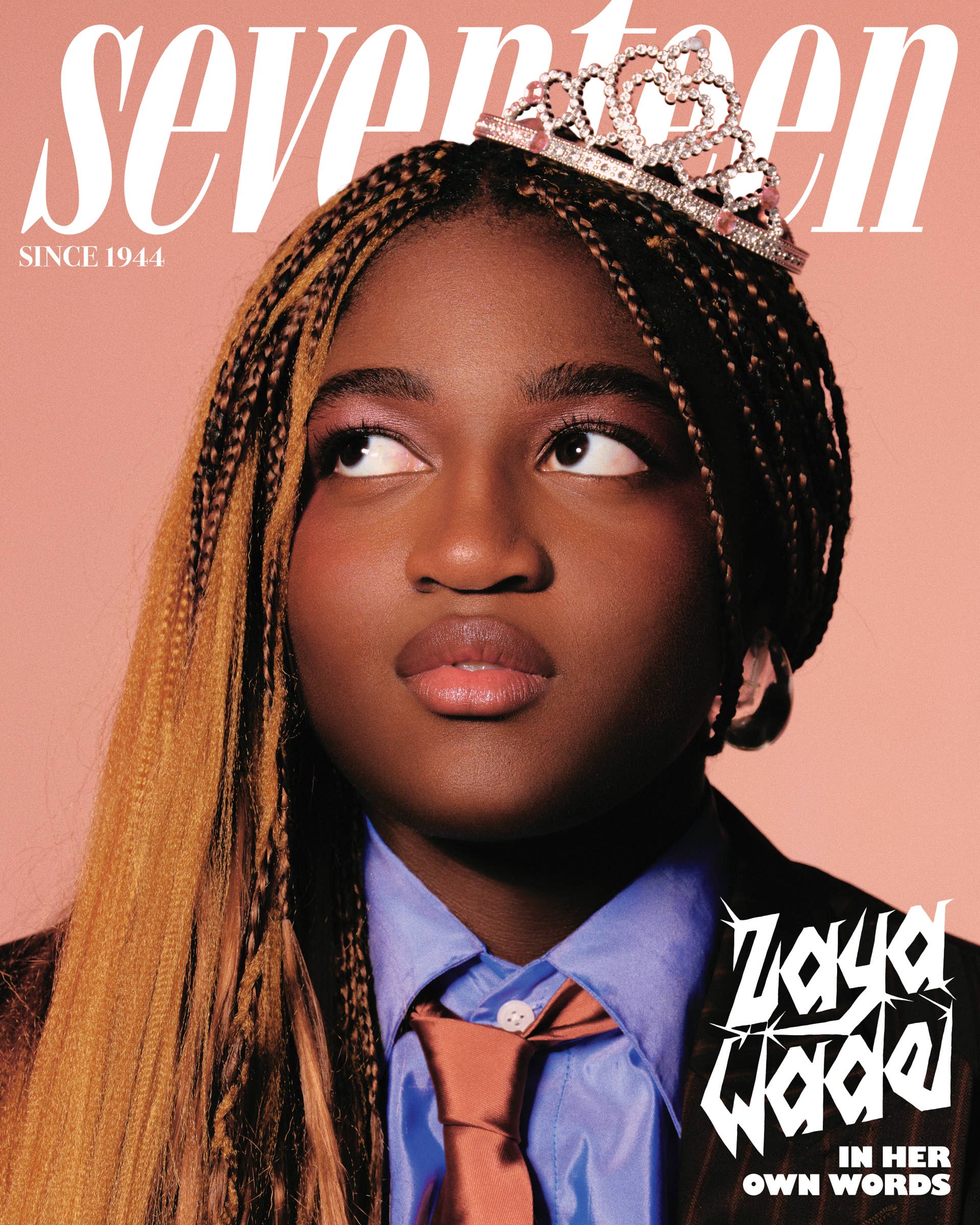
Photograph: Alex G. Harper/Courtesy of Seventeen
Bennett grew up studying each magazines she now oversees, making her job a full-circle, pinch-me second. “I need to protect the particular feeling I acquired once I learn them as a teen, however I need to reimagine that have,” she argues. Apart from championing LGBTQ+, mid- and plus-size, and Black voices, Bennett extends the expertise past print, now involving YouTube, newsletters, TikTok and stay occasions. “The journal is now not confined to the web page; it’s an ecosystem,” she notes.
Cuqui’s James-Martinez approached issues in another way by founding her personal, print-only month-to-month journal. Rising up within the U.Ok., she was head over heels for Dazed and Confused, which she started working for at 19. After stints at Dazed, Purple and Refinery29, she observed a void for teen-friendly areas, particularly one “that isn’t exposing them to predatory algorithms.” That led her to launch Cuqui alongside an editorial board that features alumni of Teen Vogue, Nylon and The New York Instances.
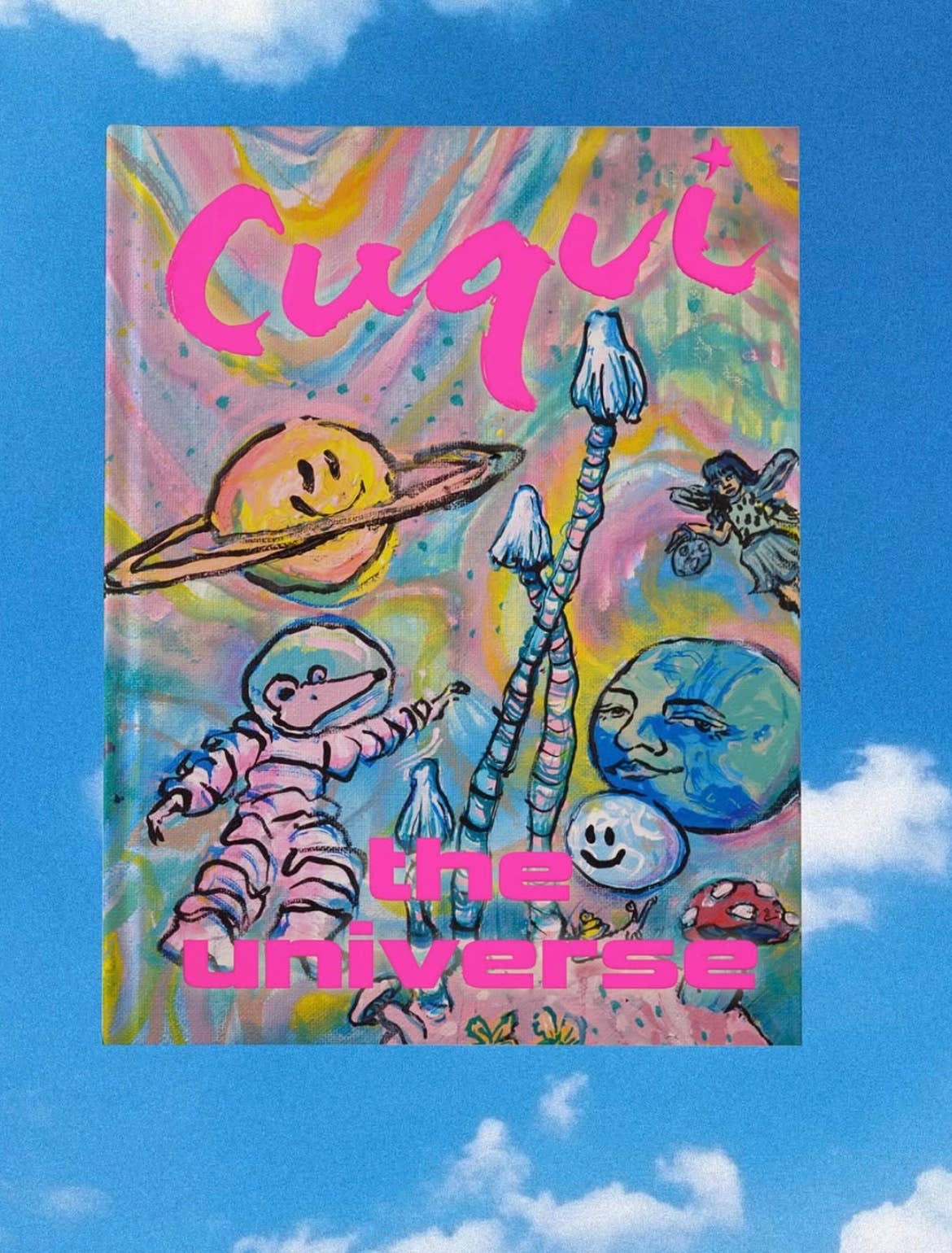
Photograph: Courtesy of Cuqui
Regardless of her extremely expert group, the founder takes essentially the most delight in tales created with — and by — youngsters. “I simply spent two weeks at summer time camp with 100 teenagers, and it was one of many coolest issues I’ve ever finished,” she shares. She spent that point “successful their belief, asking how we must always construct this and listening to their fears, desires and concepts.”
James-Martinez sees the analog format as a refuge from “the noise of social media that now not feels social” — no feedback, likes or infinite scroll. With {a magazine} in hand, readers can get misplaced in its pages and finally shut them. Baden echoes this sentiment, including that “our brains deserve that sort of expertise, the place we will enter and exit, and devour at our personal tempo.”
Youthful generations appear to agree: YPulse knowledge from its latest “Going Analog” development report signifies that 57% of 13–to-39 year-olds are fascinated by consuming print, fairly than digital, content material. In response to Annie Corser, senior editor for popular culture and media on the trend-tracking platform Stylus, on-line fatigue is actual: Gen Z would possibly nonetheless view social media as very important for discovery and their identification, however they’re in search of some form of digital stability.
“Teen magazines sit completely in any such media eating regimen,” Corser says, “particularly in the event that they stability each a nimble, agile sense of the shifting sands of stripling tradition, as captured by social media, with a willingness to put money into mature, thought-provoking content material past TikTok traits and fleeting -cores.”
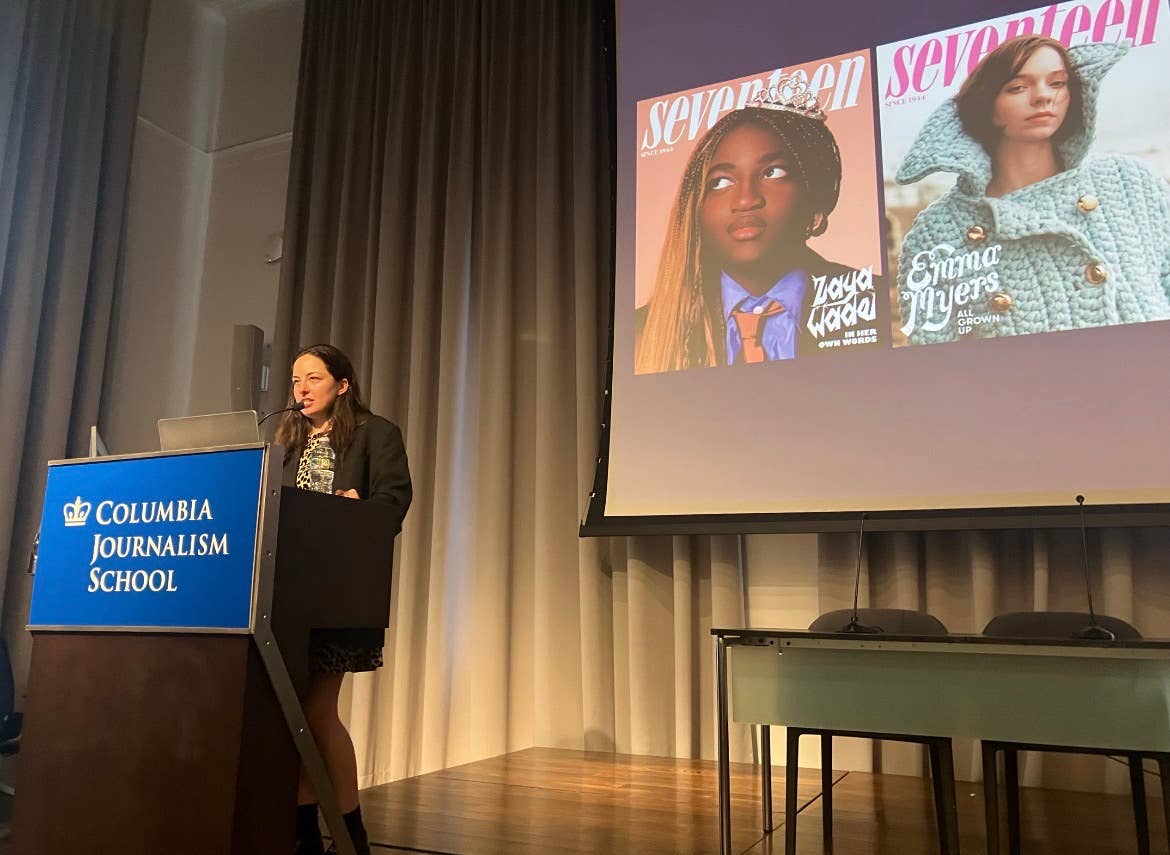
Photograph: Courtesy of Willa Bennett
The analog-versus-digital debate continues to be unfolding. New publications like WYouth and Cuqui might carry the torch for tactile content material, whereas Teen Vogue and Seventeen mine the territory the place they know younger generations are already comfy. Maybe this stability of choices is precisely what was lacking from the teenager media panorama.
For Bennett, whether or not digital or bodily, teen publications ought to do greater than serve data-fueled content material tailor-made to customers’ purported pursuits; fairly, they need to “shock you, introduce you to concepts, folks and conversations you didn’t even know you had been in search of.” She provides that if she will be able to make somebody really feel just a little extra understood, impressed or enthusiastic about who they’re changing into, then she has finished her job.
Baden sees the teenager journal revival as a constructive signal that younger persons are as soon as once more fascinated by communities that authentically talk about identification, friendship, tradition, magnificence and womanhood; and should even be craving the dry-yet-sweet odor of {a magazine} or the shiny really feel of it of their arms, and warming as much as the concept that the offline is price experiencing. “That’s one thing younger folks — and myself — are hungry for.”
